Wildlife control looks simple from the sidewalk. Someone shows up, sets a trap, takes away a raccoon, and the problem vanishes. Professionals know better. Removal is temporary unless you harden the structure. Squirrels, raccoons, bats, and birds exploit weak points with a patience that defeats cheap fixes. The material you choose matters just as much as placement. Over the years, I have seen more callbacks caused by the wrong mesh or a flimsy vent cover than by anything the animals did. Good wildlife exclusion starts with the right materials, chosen for the species pressure and the building’s envelope.
This is a deep look at the components that actually last, with the trade-offs that matter on real jobs. There is no magic universal product. There is the right mix for the roofline, the soil conditions at the foundation, the climate’s freeze-thaw cycle, and the behavior of the target species. If you work in nuisance wildlife management, or you maintain property in a region with heavy animal pressure, you can save time and headaches by getting these choices right the first time.
What “lasting” really means on a live structure
Longevity is not a number stamped on a label. When a client asks how long a wildlife exclusion will last, I pull them to the gap, the roof edge, or the porch skirt and explain the forces at play. Sunlight breaks down plastics, salt air eats mild steel, raccoons use pry leverage like a crowbar, and squirrels test every corner for bite purchase. A roof expands and contracts through seasons and fasteners back out. Water wants to collect where two planes meet, then rot the substrate beneath your barrier. Materials that last are those that keep their shape under load, resist corrosion in that setting, and still shed water properly.
Lasting also means the fix remains serviceable. A heavy-gauge mesh over a dryer vent solves raccoon probing, but it creates a lint trap if you choose the wrong aperture. A sealant that bonds like a dream becomes a nightmare when you need to remove a one-way door for bat exclusion. Durability with forethought beats brute force.
Hardware cloth: the workhorse, and where it fails
Hardware cloth is the backbone of wildlife exclusion. If you handle wildlife pest control weekly, you probably buy it by the roll. The key details are gauge, aperture size, metal composition, and coating.
Eighteen to 19 gauge galvanized steel with a quarter-inch aperture will stop most rodents and birds while allowing airflow. For rats or aggressive squirrels, heavier gauges like 16 are sensible around chew-prone edges. Half-inch mesh has a place, but mice slip through openings that big and juveniles can do the same, so I reach for quarter-inch more often on residential work.
Galvanized after welding is worth the price bump. The welds are where corrosion starts, especially along coastal zones or under drip lines. In crawlspace skirts and deck enclosures, I expect splashback, mud contact, and fertilizer salts. Galvanize after weld buys you years. If the client lives on the coast or near road salts, consider stainless hardware cloth in the highest-pressure areas such as ground-level dig barriers or long-term soffit screens. Stainless is three to five times the price and harder on tools, so I reserve it for edges that can’t fail.
Proper installation matters more than the roll label. Hardware cloth needs continuous bearing against a rigid substrate, not just a staple every foot. I use exterior-grade screws with fender washers at 4 to 6 inches on center for pry resistance. Along edges, I hem and double the mesh, folding it back on itself to create a rounded, chew-resistant profile rather than a raw line animals can bite. Where the mesh meets wood, back it with a rot-resistant strip or flashing so trapped moisture doesn’t feed decay.
Finally, protect the look. Hardware cloth is not a finished exterior. If it is visible on a façade, I often cap it with trim or a painted fascia to deflect UV and blend the work into the home. You do better work, and the client avoids a “cage” appearance.
The case for stainless steel and aluminum in the right places
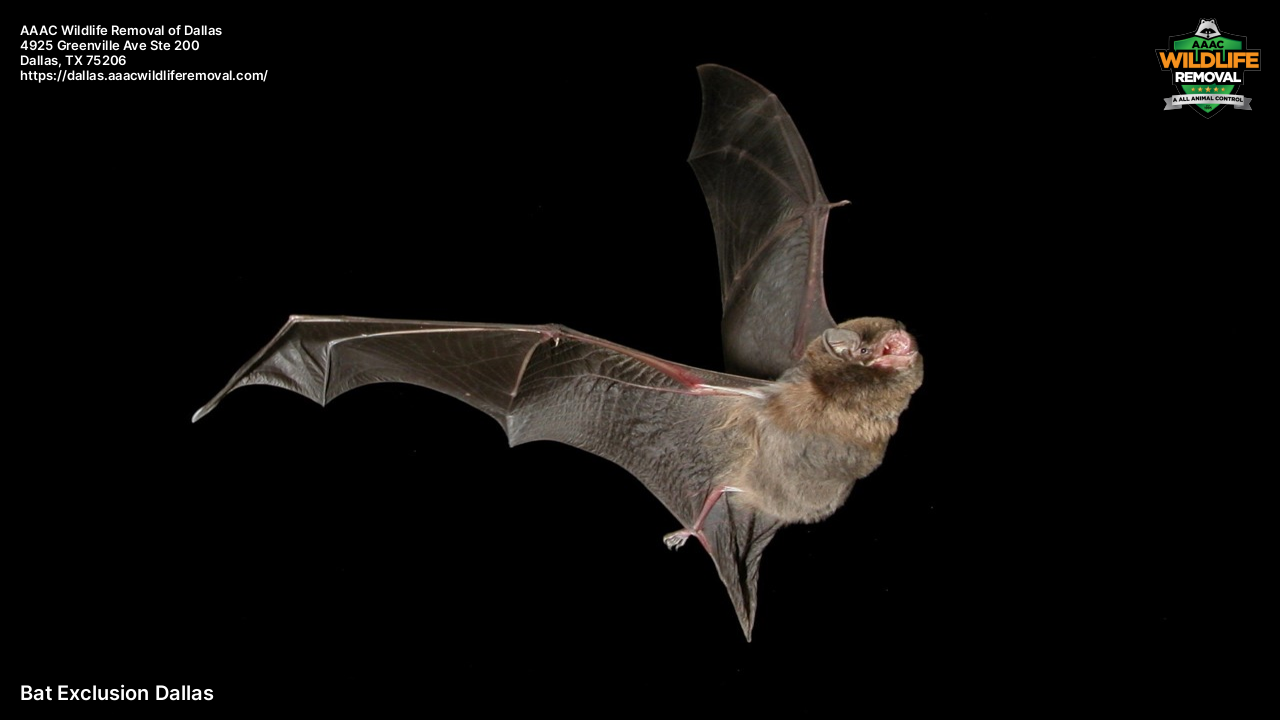
Not all metals behave alike. Galvanized steel is a generalist. Stainless steel is the specialist for harsh environments and for bat or bird control where very fine mesh is necessary. For bat removal and bat-proofing, one-eighth-inch stainless mesh forms a durable barrier at ridge ends and soffit returns without the rust bleed you sometimes see with zinc coatings. It is more rigid than many bat netting products, which means fewer flutter issues in high winds and less noise.
Aluminum has a role for custom covers and light-duty vent guards, but not where raccoons are present. I have watched a 20-pound raccoon crumple a thin aluminum vent hood like a soda can. Where weight matters, such as long spans of soffit panels, aluminum is acceptable if reinforced beneath with steel and fastened to framing, not just to finish trim. In general, aluminum is a finishing skin, not the barrier.
Ridge caps, ridge vents, and why the edge rules the day
Roof ridges are the unsung highway into attics. Standard shingle-over ridge vents can lift, crack, or leave end gaps wide enough for bats, starlings, and occasionally young squirrels. Animals do not usually chew through the top of a ridge. They exploit a poorly secured end or a shingle that has cupped after a few summers.
Two strategies reliably improve ridge security. First, a formed metal ridge cap system with a built-in pest screen, installed over a cut ridge, gives you both airflow and robust mechanical protection. The best versions use powder-coated steel with a hidden fastener track and a stainless micro-mesh liner. They keep out insects and bats without choking ventilation. Expect to pay more than plastic cap vents, but replacements drop sharply.
Second, if the existing ridge vent is sound, reinforce the ends and the underside. I cut and fit stainless micro-mesh beneath the end cap and tie it into the last rafter with pan-head screws. Then I re-secure the cap with new exterior screws where the manufacturer allows, adding a bead of high-quality roofing sealant at fastener penetrations. Avoid closing the vent field; you are sealing the opening’s shape, not blocking the airway.
If you perform bat removal, the ridge is where you stage your one-way valves in late summer or early fall in many regions. Choose one-way devices that fit under shingles or ridge caps without bending them out of plane. Once the bats leave, that permanent micro-mesh liner under the ridge cap pays for itself.
Vent guards that avoid moisture problems
Gable vents, dryer vents, bath fans, and attic exhaust fans invite exploration. Squirrels love gable vents. Raccoons learn to hook a claw under a louver and pull. Birds pile twigs until airflow drops to nearly nothing. The first rule is species-specific aperture. Quarter-inch mesh keeps rodents and most birds out, but it traps lint on dryer vents. Half-inch may suffice on a dryer outlet if the termination hood is well designed and you combine it with a periodic maintenance schedule.
The second rule is stand-off. A guard needs depth to avoid blocking louvers or screens and to shed water. A guard that sits flush creates condensation or wicks water into the vent framing. I favor powder-coated steel guards with 2 to 3 inches of stand-off, sloped tops, and back flanges that hit framing, not just siding. In coastal air, stainless wins the maintenance battle.
Take care with bath fans and attic fans. Screens reduce airflow, which shortens motor life. Choose oversize guards, and measure actual CFM before and after if you maintain commercial buildings. On homes, feel for robust exhaust at full speed. If it drops, select a larger guard or a design with more free area, not larger holes. For clients prioritizing energy efficiency, this airflow check earns trust.
Soffit edges, returns, and the ladder test
Squirrels do not need much. A thumb-sized break in a soffit return, a spot where the fascia bows away from the rake, a gutter spike that has lost purchase and left a gap, all invite a test bite. You can either rebuild the fascia with proper blocking or install an underlayment of mesh that ties the soffit to the roof deck and back to the framing. I often cut 6 to 8 inch strips of quarter-inch galvanized hardware cloth and tuck them under the drip edge, fastening into the subfascia and the first rafter tails. I then reinstall the soffit panels. The mesh is invisible, it carries no water, and it survives future gutter work.
If the aesthetic allows, formed metal soffit guards provide a clean line and a longer life than plastic vented soffit. Plastic gets brittle in sun and invites pecking. Aluminum vented soffits are fine if you back them with steel mesh where wildlife pressure is heavy. Do not rely on thin perforations to stop a determined squirrel.
I tell homeowners to do the ladder test with me. If I can catch a fingertip under any edge, a raccoon can get a claw in it. If I can flex it with one hand, a https://emiliocapw017.theburnward.com/wildlife-trapper-secrets-how-experts-locate-entry-points raccoon can pry it with two. The fix is either to stiffen the assembly with more fasteners and better attachment points or to add a buried barrier under the skin.
Chimneys and flues: caps that survive wind and claws
Chimney caps do more than stop wildlife. They preserve the flue and keep water out of the firebox or furnace. The difference between a cap that lasts and one that fails is usually in the attachment method and the mesh.
For masonry chimneys, I prefer full-coverage stainless caps that anchor to the crown with masonry anchors and a bead of polyurethane masonry sealant under the flange. The mesh apron should be 5 to 8 inches tall to clear the flue, with half-inch openings to protect airflow while excluding birds, raccoons, and squirrels. For multiple flues, individual stainless flue caps inside a larger custom pan can reduce wind noise.
For metal factory-built chimneys, buy caps rated for that specific system. Improvised guards create draft problems or violate listing. If raccoons are present, select designs with reinforced skirts and multiple clamp points. I have seen raccoons topple the cheapest clamp-on units in a night.
Gas appliance vents deserve extra care. Do not choke a high-efficiency furnace intake with tight mesh, and never cap a B-vent with a screen that can frost over. There are purpose-built pest guards for these vents that meet code and maintain clearances. If you are not sure which applies, coordinate with an HVAC technician. Wildlife control done right does not trade animal entry for carbon monoxide risk.
Foundations, decks, and dig barriers
Ground-level exclusion fails when you forget what the soil does after a heavy rain or a freeze-thaw cycle. An apron or skirt that sits proud of the soil line looks neat on day one and allows a raccoon to lift it on day twenty. The fix is to trench and bury the barrier.
For sheds, decks, and crawlspaces, I dig a trench 8 to 12 inches deep and 8 to 12 inches out from the structure. I fasten quarter-inch or half-inch galvanized hardware cloth to the rim or the bottom plate, carry it down into the trench, then out in an L-shape to create a horizontal apron. Backfill and compact. The horizontal leg is what stops digging. Animals encounter metal at the bottom of their hole and usually abandon the attempt within a foot or two.
In sandy soils or where coyotes or foxes are present, I increase the horizontal run to 18 to 24 inches. In clay, 12 inches often suffices. If termites are a concern, keep mesh clear of direct wood contact or use stainless in the immediate vicinity, and maintain a visible inspection gap if required by local code.
For aesthetics, add a wood or composite skirt over the mesh, keeping a few inches of clearance off grade to avoid wicking moisture into the finish. Where a skirt must run to grade, separate materials with flashing tape or a metal drip edge so you do not build a rot trap.
Sealants, foam, and when to leave a gap
People love a tube of foam because it makes holes disappear. Animals love foam because it gives them something to grip. Expanding polyurethane foam has a place, but not as a standalone barrier. If you can push a pencil into it, a rodent can chew through it.
I use foam to backfill deep voids behind a solid shield. For instance, if a utility penetration is oversized, I set a sleeve or piece of PVC into the hole, pack backer rod into the annulus, and inject low-expansion foam behind the rod. Once cured, I cap the exterior with a high-solids elastomeric sealant rated for the substrate, such as a polyurethane or an STPE hybrid. The foam provides a thermal and air seal, the outer sealant provides teeth, weatherproofing, and UV resistance.
Silicone has a role on non-porous surfaces like aluminum coil stock and glass, but it adheres poorly to some masonry and many plastics, and it collects dirt. Polyurethane sticks to almost everything and can be painted, but it chalks in sun if not top-coated. On brick, a masonry sealant designed for movement joints resists cracking over time.
There are times you want to leave a gap. Attics need ventilation. Crawlspaces, especially in humid climates, need controlled airflow or active conditioning depending on the system. When you screen a vent, confirm the free area still meets code and the building’s moisture management needs. Wildlife exclusion and building science share a boundary. Respect it.
One-way devices and temporary hardware
Wildlife removal often precedes wildlife exclusion. For bat removal, raccoon removal, and squirrel removal, one-way doors and nets are the humane path. The trick is building temporary assemblies that let animals exit and do not fail under their attempts to re-enter. If your temporary hardware fails, you create a training exercise and a larger problem.
Build your one-way frames from the same durable mesh you intend as the permanent barrier. I hem the edges, use mechanical fasteners rather than tape alone, and mount the frame to studs or masonry through the existing cladding when possible. On siding, choose fastener locations that land on studs so the holes can be sealed properly afterward. On brick, use tapcons and keep the footprint tight so the final patch is small and neat.
Once activity ceases and the devices are removed, close with permanent materials immediately. This is where pre-fabricated custom cutouts of hardware cloth or stainless mesh save time and avoid misfit gaps. Many callbacks happen because someone waited a week between removal and final seal, and the animals tested a new corner.
The trap of pre-made “animal-proof” covers
Retail vent and roof covers stamped “animal-proof” run the spectrum from useful to laughable. If a cover attaches with four small sheet-metal screws into vinyl siding, it is not animal-proof against raccoons. If a plastic gable vent claims to stop squirrels, expect a hole within a season. The best off-the-shelf pieces are powder-coated steel with welded seams and robust flanges.
When pre-made fits, use it. For example, some ridge vent protection kits integrate stainless mesh with a metal cap and work well under shingles. Some chimney caps are excellent and priced fairly. But the moment you need to conform to a stone veneer, a steep-slope rake return, or a mix of materials at a dormer, you are better off fabricating. A roll of mesh, a few sticks of coil stock, and solid fasteners let you create a repair that matches the structure rather than forcing the structure to match the product.
Fasteners, washers, and the quiet importance of pull-out strength
The strongest mesh is only as good as the fastener holding it. Staples are fine inside an attic to hold a bat net temporarily. Outside, expect pry attempts. Use exterior screws sized for the substrate, and add fender washers where mesh meets screw to spread load. On thin vinyl or aluminum soffit, fasten through to wood behind, even if it means removing a panel to reach framing.
In masonry, concrete screws or sleeve anchors provide repeatable hold. Avoid low-quality zinc anchors that corrode at the head and snap on removal. Stainless screws in cedar or treated lumber prevent streaking and black stains. Take a minute to size your pilot holes properly to avoid splitting old fascia boards that will then loosen your entire run.
Where vibration or thermal movement is expected, such as on metal roofs or large sun-exposed vents, add thread-locking sealant under the screw head or choose screws with neoprene washers to maintain pressure and seal out water. The goal is to prevent a quarter-turn loosening that becomes an entry point two years later.
Materials that look good and age gracefully
Wildlife control and wildlife exclusion suffer when the result looks like an afterthought. Clients who care about their homes will reject a fix that telegraphs “cage” or “patch.” A professional finish is not just vanity. A clean, integrated solution tends to survive longer because it is less likely to be ripped off by a ladder or clipped during gutter work.
Paintable sealants around mesh edges let you color-match trim. Coil stock bent to cap mesh edges keeps UV off the galvanizing and creates a shadow line that hides the transition. Powder-coated guards in earth tones disappear against most claddings. If you fabricate often, a small brake and shear elevate your work dramatically. This is where experienced wildlife control outfits differentiate themselves from pure wildlife trapping services: the trapping solves the immediate problem, the finish keeps the home tight for years.
Climate matters more than marketing copy
Cold climates punish sealants and fasteners. Hot, high-UV climates punish plastics and cheap paint. Coastal air punishes anything with a scratch in its coating. Before you standardize your exclusion kit, test materials in your worst environments.
In the upper Midwest, I have seen vinyl soffit panels implode after an ice storm when raccoons explored the new weakness. Aluminum backed with steel mesh survived. In the Southeast, attic fan guards that seemed fine in spring clogged with cottonwood fluff by June because the mesh was too fine. A redesign with larger free area fixed the airflow issue without letting birds in.
If you maintain multifamily buildings, carry a small kit to measure pH on masonry and check salinity on surfaces near the ocean. You will choose stainless more often as those numbers rise. The upfront cost is offset by fewer returns.
When to choose professional-grade vs. commodity stock
Commodity hardware cloth from a big-box store can be excellent or terrible, depending on the batch. Welds might be weak, galvanization thin, or the roll inconsistent. Professional-grade rolls cost more and usually publish specifications: wire gauge tolerance, galvanization thickness, and sometimes corrosion testing. For high-stakes areas like ridge ends, chimney skirts, and foundation aprons, I prefer known-spec materials. For interior air sealing or temporary bat netting, commodity stock is fine.
Similarly, brand-name chimney caps, ridge systems, and vent guards from manufacturers that sell to roofers and HVAC contractors tend to fit better and last longer. If your wildlife removal business is growing, build relationships with roofing and HVAC suppliers. You will learn which products last in your region, and you will stop improvising with marginal pieces.
A practical walk-through of a durable exclusion plan
Imagine a 1950s cape with original wood soffit, aluminum gutters, a masonry chimney, and visible squirrel and raccoon activity. The homeowner reports noises in the attic before dawn and a musty smell in a spare room.
First, inspection. I start outside at dawn with binoculars and a ladder. I find a loose shingle near the left dormer and a gap at the soffit return where the gutter pulls away. The gable vent shows chew marks. The chimney has no cap. Inside, there is squirrel scat near the eaves and a torn insulation trail.
Second, removal. Squirrel removal generally means one-way devices and timing. I install a one-way door at the soffit gap using a framed quarter-inch stainless mesh panel that screws to the subfascia. I stage a second one-way on the gable vent, where chew marks prove use. I leave both for a week while I monitor with a camera.
Third, permanent exclusion. Once activity ceases, I remove the one-way door and close the soffit with tucked mesh beneath the drip edge, fastened to rafter tails, hidden once I reinstall the soffit panel. I replace gutter spikes with hidden hangers fastened into the subfascia to eliminate that pry point. I back the gable vent with a powder-coated, stand-off steel guard set into framing. I seal utility penetrations with sleeves, backer rod, foam, and paintable polyurethane.
For the chimney, I install a full stainless cap anchored into the crown and repoint a couple of mortar joints beneath the flue tile. I add a stainless micro-mesh liner under the ridge vent ends to deny bat entry. Where the shingle lifted by the dormer, I replace the shingles and reinforce the ridge with additional fasteners per manufacturer guidelines. All fastener penetrations receive roofing-grade sealant. The result is invisible from the street and stubborn against teeth and claws.
I give the homeowner a maintenance note: have gutters cleaned twice a year, look for sagging lines that signal movement, and call at the first sound of scratching. A simple plan like this keeps wildlife out and prevents rot where water used to collect.
The role of ethics and regulation in material choices
Bat removal and bird exclusion are governed by seasons and laws. Many regions prohibit exclusion during maternity periods. Materials must support humane practices. For bats, static one-way netting that allows flight out and prevents flight in, paired with rigid mesh ready to close immediately after, fits both the letter and spirit of the law. Metal spikes and sticky products belong in the past. Modern wildlife control favors barriers, not harm.
Poisons have no place in structural exclusion. Rodenticide baits inside attic spaces lead to dead animals in walls and secondary poisoning risks. An integrated approach uses exterior bait stations where appropriate, paired with exclusion that denies re-entry. But the star remains durable materials and smart installation.
When a cheaper material is smart
You do not need stainless everywhere. In dry interior spaces where mice enter through a cabinet gap, a small strip of galvanized mesh behind a toe kick will outlast the kitchen. On a second-story soffit protected by a deep overhang, aluminum vented panels backed by quarter-inch steel mesh yield a clean look and long life without the price tag of custom fabrication. Save your budget for the weather faces: ridge ends, gable vents, chimney caps, foundation aprons, and any corner within a raccoon’s reach from a gutter or downspout.
A short checklist for spec’ing durable wildlife exclusion
- Match mesh aperture to the smallest target species: quarter-inch stops mice and bats; half-inch may suffice for raccoons where airflow is critical. Choose metal for the environment: galvanized after weld for general use; stainless for coastal, wet, or high-acid settings and bat work. Reinforce edges and fasten into structure: screws and fender washers into framing; anchors in masonry; avoid relying on cladding alone. Preserve ventilation and drainage: use stand-off guards, micro-mesh liners, and formed caps that keep airflow while blocking wildlife. Plan the sequence: removal with one-way devices first, then permanent closure with pre-cut materials the same day you remove devices.
Judging success by silence and seasons
The best wildlife control is quiet. A month after the work, no scrabbling at 5 a.m. Six months later, the soffit line is straight, the sealant intact, no rust streaks down the siding. After a winter and a summer, fasteners still hold, and the ridge lies flat. You judge materials by how they handle a year of wind, water, sun, and curious paws.
A solid exclusion job reduces the need for wildlife trapping on that property for years. It also cuts maintenance: less water intrusion, fewer nests choking vents, fewer chewed wires in attics. That is the promise of durable materials properly installed. It is not glamorous, but it is the difference between a one-off wildlife removal and a home that stays closed to animals season after season.
If you are building your kit, start with rolls of quarter-inch galvanized-after-weld hardware cloth, a small supply of stainless mesh for ridges and coastal work, a selection of powder-coated vent guards with real stand-off, a few stainless chimney caps, and fasteners you trust. Add a metal brake when you can. Learn to hem mesh and hide it under trim. Respect airflow and water paths. The animals will still test you, but they will not win on materials.