Wildlife belongs outdoors, not in your attic or crawlspace. When animals cross that line, the damage compounds quickly. I have seen raccoons peel back soffits like flimsy lids, squirrels knit entire nurseries from insulation, and bats congregate in roof peaks until the ammonia burn from their guano discolors the rafters. Property owners often underestimate how fast a small problem becomes an expensive repair. Effective nuisance wildlife management is part construction, part biology, and part patience. It is also a year-round discipline, because animal behavior shifts with the seasons. The goal is not just wildlife removal. The real win is long-term wildlife exclusion that keeps animals from returning.
What follows is a practical, field-tested approach to wildlife pest control across the calendar, backed by the habits that matter most for bats, squirrels, raccoons, and their frequent accomplices. It is written for homeowners, facility managers, and anyone who has walked into a musty attic and wondered what else might be staring back.
The real cost of a “small” wildlife problem
A raccoon can pull apart a roof edge in a single night. The hole might be the size of a dinner plate, yet the interior damage keeps growing. Once inside, raccoons crush insulation, leave feces that carry roundworm, and tear vapor barriers. I have documented R-value losses that effectively double a home’s heating costs for the season. Squirrels chew constantly to keep their teeth in check, which means electrical jackets, PVC condensate lines, and PEX plumbing become targets. One chewed wire arced inside a garage panel and charred a joist before the homeowner noticed the smell. Bats, meanwhile, may leave guano piles that attract insects and create respiratory hazards. The number of affected roof trusses after a single summer roost can be dozens.
Beyond structural damage, there is risk to occupants and pets. Raccoons carry leptospirosis and Baylisascaris. Skunks bring rabies risk. Bats rarely attack, but any suspected contact merits a medical consult because bat bites can go unnoticed. These are not theoretical problems. If you house people, store inventory, or rely on uninterrupted operations, wildlife control deserves the same rigor as fire safety or cybersecurity.
Why timing shapes every decision
Wildlife control lives on a calendar. The same house can be handled three different ways depending on the month and life cycle of the animal. Ethical and legal considerations also come into play, since many states protect certain wildlife, especially during maternity seasons. Effective plans match biology with building science, then use the least invasive technique that will actually work.
- Spring tilts toward baby season. Most mammals den or nest from early spring into summer. Removing the mother and trapping her young inside delivers a cruelty problem and a smell you will not forget. In spring, I rely heavily on careful inspection, thermal scans to locate young, and delayed or staged eviction that allows families to reunite and relocate. Summer favors exclusion and prevention. Heat drives animals to shade, and young-of-the-year are mobile. One-way devices and sealing exterior vulnerabilities produce fast, humane results. Roofers and wildlife control techs can work safely and thoroughly without ice or constant rain. Fall is about food and nesting for the cold months. Squirrels test every eave for soft spots. Mice, rats, and chipmunks press along foundation lines. Small openings that were ignored in June become front doors in October. This is the best window for whole-home wildlife exclusion. Winter demands precision. Animals spend more time in dens, moving less. Trapping can be effective when done legally and with appropriate care for non-target species. Field repairs are harder with snow, but interior sealing and attic work can be productive.
Inspection, the unskippable first step
Real wildlife control starts with a top-to-bottom inspection. I have never solved a raccoon problem from a single attic vent. Even on simple jobs, the culprit used a chain of opportunities: an overhanging branch, a fascia gap behind a gutter, a soft ridge vent with no internal baffle. Thorough means roofline, soffits, vents, chimney crown and cap, attic interior, crawlspace, foundation penetrations, and any utility or HVAC routes.
I prefer to stage the inspection like a funnel. First, look for sign: droppings, tracks, rub marks, hair, gnawing, grease smudges. Second, locate active openings and secondary vulnerabilities. Third, establish the travel path: tree to roof, fence to deck to roof, or soil burrow to crawlspace sill. Finally, match the sign to likely species. Raccoon droppings are larger, often in latrines. Squirrel gnaw marks are crisp and repeated at edges. Bat guano breaks into coarse fragments and lies below entries with faint brown staining on the siding.
Thermal imaging and endoscopes save time. Thermal spots in insulation hint at recent occupancy. Endoscopes can confirm bat presence in tight crevices. I keep fluorescent powder for tracking, but only use it when the entry point is truly uncertain.

Humane wildlife removal that holds up under pressure
There are three main pathways to wildlife removal and control: structural exclusion, one-way eviction, and wildlife trapping. Usually, a complete job uses at least two of the three.
Structural exclusion is construction. Think of it as building upgrades tuned to animal pressure. Hardware cloth with proper gauge, stainless steel where corrosion is a risk, robust chimney caps that actually fit the flue and crown, soffit reinforcement from inside at vulnerable corners. The most common failure I see is lightweight screen or DIY foam that a squirrel defeats in minutes. Another is a vent cover that looks solid from the ground but leaves side gaps that a raccoon can pry with two fingers and a little leverage.
One-way eviction devices fit over a known entry and let animals exit but not reenter. They work exceptionally well for squirrels and some raccoon setups, as well as for birds in certain vents. On bats, one-way tubes are standard when used after confirming no flightless pups are present. The key is to seal every other possible gap first, so the device is the only exit. If you skip this step, you are training the animal to use a new hole and doubling your workload.
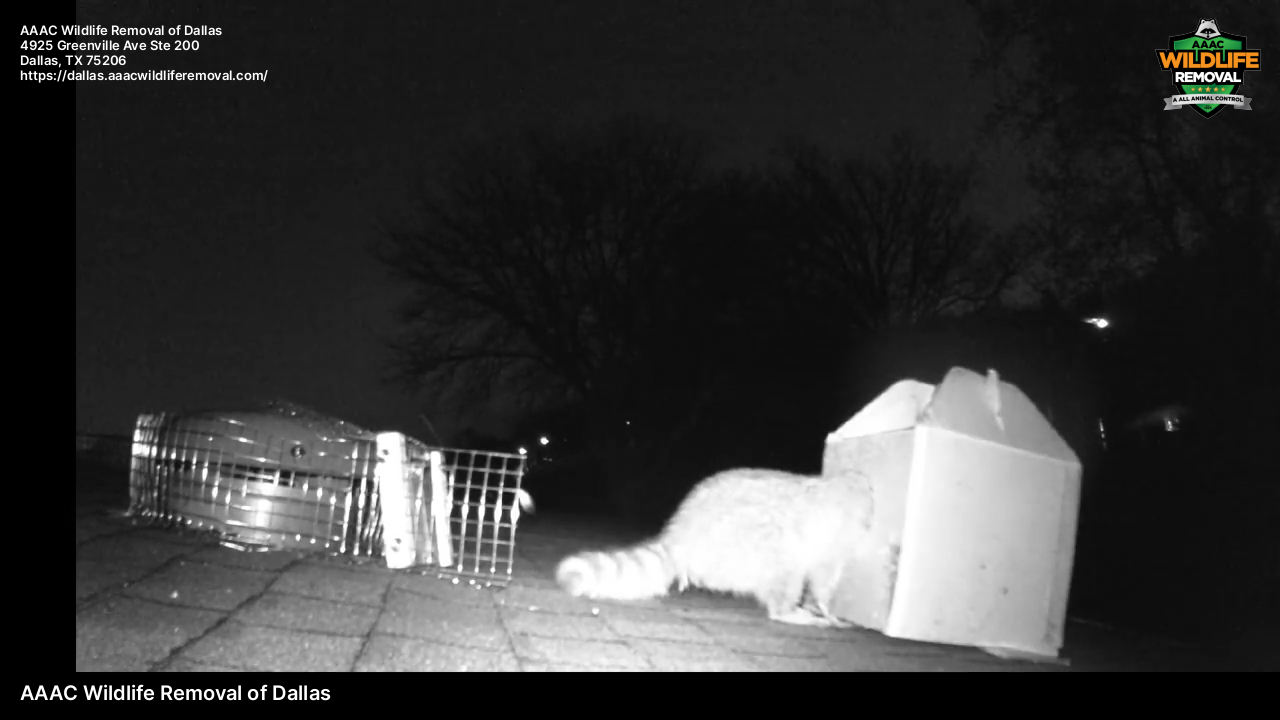
Wildlife trapping is a tool, not a plan. Live trapping has its place, especially for single, trap-friendly raccoons or groundhogs that are destroying foundations. Success depends on correct bait, correct placement on the travel path, and pre-baiting when animals are cautious. Comply with local regulations, check traps at least daily, and be ready for non-target captures. In winter, traps require shielding and frequent checks to prevent exposure stress. Relocation is often restricted or ineffective, since animals home back or perish in unfamiliar territory. In urban and suburban settings, the best practice is removal followed by immediate exclusion so new animals cannot fill the vacancy.
Species-specific insights that pay off
Squirrels challenge weak construction. Most squirrel removal calls happen in fall and late winter. Flying squirrels work at night, so homeowners sometimes assume bats. Daytime scurrying and rolling noises point to gray squirrels. Squirrels prefer to chew at dormers and gutter returns where multiple materials meet. If I can flex a soffit with my fingers, a squirrel can too. For squirrel removal, I stage a one-way door at the main entry, then reinforce all dormer corners with metal, back every vent with 16 or 23 gauge mesh, and secure drip-edge gaps with proper edge metal. Trim branches that hang over the roofline by 8 to 10 feet. If the roof is complicated, I add a week of monitoring before final seal.
Raccoons make their own door. They test edges and lift. I have watched a female raccoon unlock a loose ridge vent like a trunk. For raccoon removal, I do not bother with light or noise repellents on their own. Instead, I block secondary access with metal, set a one-way door when pups are not present, and trap if the animal refuses to exit. In spring, I locate the nest, remove the kits carefully with nesting material into a padded reunion box outside the entry, then allow the mother to relocate them after dusk. This keeps the family together and avoids attic mortality. For security, I use full stainless chimney caps with welded lids and back every fascia repair with screw-fixed reinforcement, not staples.
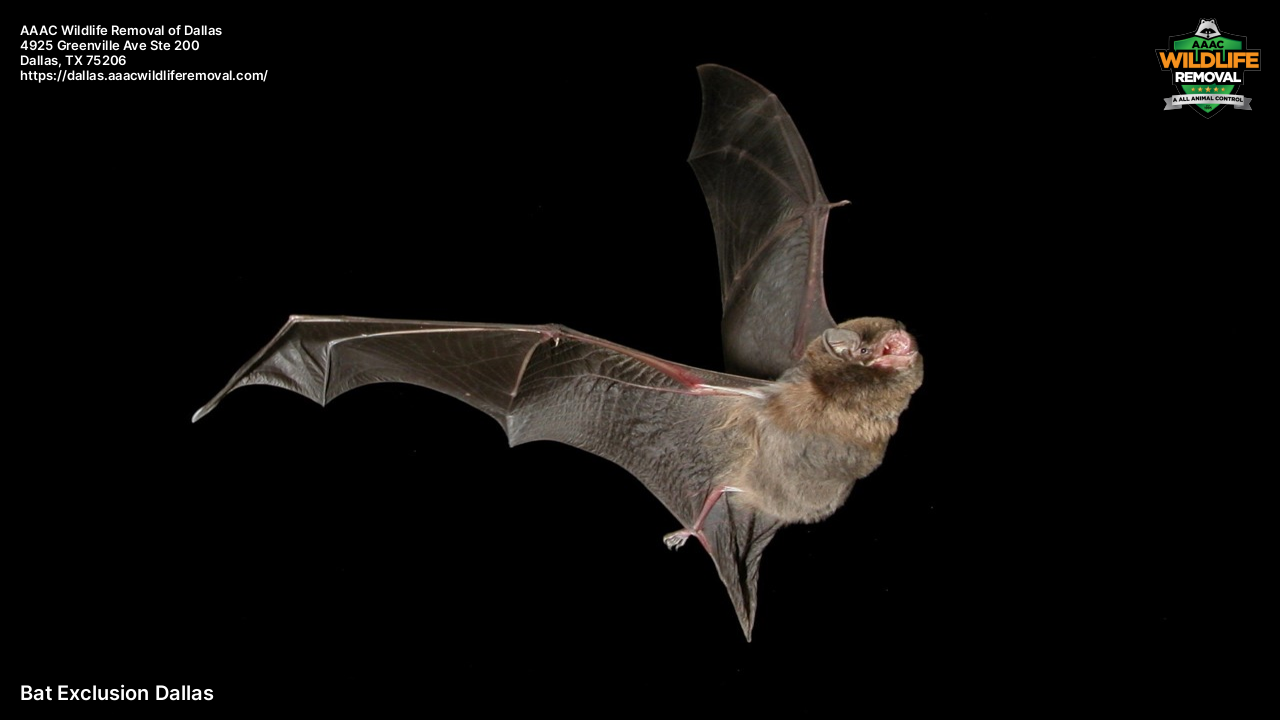
Bats require respect for law and biology. Most states protect bats, and with reason. They eat a staggering number of insects nightly. The right approach is bat removal through a professional bat exclusion. First, confirm species and season. June through mid-August typically corresponds to non-volant pups. During that time, leave the colony and move to prep work. Once the young can fly, install one-way tubes at primary exits and seal every other gap down to roughly 3/8 of an inch. Bat work is meticulous. Ridge vents, stone veneer gaps, roof-to-wall junctions, and louvered gable vents are classic entry points. After a successful eviction, guano cleanup with proper PPE and HEPA filtration matters for health and odor control. I never use poisons, deterrent gels, or mothballs for bats, and you should not either.
Skunks and groundhogs undermine foundations and decks. Their travel is low and consistent. Exclusion with a skirted buried barrier is the durable fix. For skunks, control food sources like unsecured trash or spilled bird seed. If a skunk is already denning, a one-way door with a wire-in skirt prevents reentry, followed by trench-and-bury hardware cloth 10 to 12 inches deep.
Birds complicate dryer vents and kitchen exhausts. Birds in a dryer vent fill the duct with flammable nest material. I have pulled out nine-foot plugs of grass from a single line. Swap cheap louvered covers for pest-rated vent covers with internal baffles, then clean the duct. Time it for post-fledging, or hand-remove nestlings to a protected reunion basket near the exterior so the parent can feed until they fledge.
Materials and methods that survive weather and teeth
On wildlife exclusion, the details carry the job. I specify fasteners that match the longevity of the metal. Galvanized fasteners eventually rust-stain vinyl or aluminum. Stainless on stainless prevents dissimilar metal corrosion. For mesh, half-inch hardware cloth is a common choice, but gauge matters as much as aperture. A heavy-gauge stainless mesh stands up to raccoon prying that crumples lightweight panels.
At roof edges, drip-edge metal that tucks under shingles and wraps over fascia closes the classic “builder gap.” Where soffits connect to brick or stone, mortar voids hide entry channels; a backer rod and high-quality sealant create a flexible block before adding mesh. For foundations, I use 14-inch wide hardware cloth for buried skirts, attached to the structure and bent outward in an L shape. Backfill and compact so animals encounter a barrier they cannot dig through or under.
Repellents are a mixed bag. Ammonia, predator urine, and noise devices have short-lived effects. I use them as a temporary measure to encourage animals out of a space right before placing a one-way device, not as a stand-alone solution. Taste repellents can protect garden beds from rabbits or deer but do little against a raccoon that wants into an attic.
Health and safety in the cleanup phase
Wildlife control does not stop at the eviction. The droppings, urine, and nesting material left behind are more than an eyesore. They invite insects, mold, and secondary wildlife. I approach cleanup with the same seriousness as the removal.
In attics, I bag contaminated insulation in stages and use negative air machines with HEPA filtration. For bat guano, wet methods reduce dust. Antimicrobial treatments can help, but do not replace physical removal. Where urine has soaked drywall or wood, an enzyme-based deodorizer works better than perfumes that only mask smells for a week. If wiring shows chew marks, bring in a licensed electrician to inspect and repair. Fire is a risk you do not roll the dice on.
In crawlspaces, I replace vapor barriers that have been nested in, then seal foundation penetrations with mortar or escutcheon plates. If raccoons used a crawl as a latrine, test for roundworm eggs is possible, but thorough removal and soil replacement in a localized area is often the practical solution in residential settings.
Prevention you can do without a ladder
Not every task needs a pro. Property owners who stay ahead of habitat cues reduce wildlife pressure dramatically. The following checklist is short on purpose. Do these consistently and your odds improve.
- Keep tree limbs 8 to 10 feet back from the roof. Trim annually, not “as needed.” Cap chimneys with stainless, pest-rated caps sized to the flue, not generic lids. Secure trash in lidded containers and wash bins monthly. Bird feeders away from structures. Inspect attic and crawlspace twice a year for new light leaks, droppings, or insulation trails. Use pest-rated vent covers on dryer, bathroom, and kitchen exhausts, with internal baffles.
Each of these items tackles either access or attractants. They also create a rhythm that catches small problems before they become expensive.
Legal and ethical guardrails
Wildlife control sits under state wildlife codes and sometimes municipal ordinances. These rules change. Common themes include protected seasons for bat colonies, prohibition on relocating certain species, and requirements for daily trap checks. Beyond compliance, there is an ethical standard that keeps the work humane. I do not orphan young if I can prevent it. I do not use poisons for mammals in structures. I avoid glue boards for any vertebrate. When a client insists on a shortcut that will cause suffering or almost certainly fail, I decline the job. Good nuisance wildlife management protects owners, neighbors, and the animals.
When to bring in a professional
If you hear a single squirrel and can see an obvious soffit gap, you might manage a straightforward one-way eviction with careful sealing. If the noise is heavy and nocturnal, or you smell ammonia around the attic hatch, get help. Professionals carry specialized ladders, fall protection, animal handling gear, HEPA-rated cleanup tools, and construction experience to finish the job in one pass. They also carry insurance. In multi-unit buildings, wildlife control meshes with property management timelines and tenant communication. Professionals can stage work to limit disruption and provide documentation for liability and warranties.
Ask pointed questions before hiring. What is your plan if young are present? How do you seal secondary gaps? What materials will you use, and how do they hold up over five years? Do you offer a warranty on wildlife exclusion, not just trapping? If the answers focus only on traps or vague sprays, keep looking.
Avoiding the four most common mistakes
I see the same errors across houses, warehouses, and retail spaces.
The first is treating noise as a nuisance, not a sign of an opening. Every sound originates from a breach. If you do not find and close that breach, you will keep hearing it.
The second is partial sealing. Homeowners fix the entry they can see and forget the ridge vent line or gable gaps. Animals are more patient than people. They will find the path you left.
The third is missing maternity windows. Evicting a mother in spring leads to frantic chewing, secondary damage, and dead young inside. Confirm timing. Wait if you must. Or use a reunification box to let the mother move the family.
The fourth is choosing decorative over durable. A flimsy vent hood looks nice until a raccoon crushes it like foil. Pest-rated covers exist for a reason.
Building a year-round plan
A property-wide plan is easier than handling emergencies in the dark. Think of it as seasonal maintenance.
In late winter, walk the roofline from the ground with binoculars. Look for buckled ridge vents, lifted flashing, and soffit shadows that suggest a gap. Inside, scan the attic for light leaks. For commercial roofs, add a spring inspection to your maintenance contract.
In spring, confirm your local maternity seasons for bats and common mammals. If you need bat removal or raccoon removal, time major work accordingly. This is also a good moment to schedule gutter cleaning. When gutters overflow, fascia boards rot, then animals pry.
In summer, invest in sealing. Heat softens caulk and sealants, allowing better adhesion. This is prime time for comprehensive wildlife exclusion: ridge vent guards where appropriate, mesh-backed gable vents, chimney caps, and drip-edge metal.
In fall, stack mitigation for the rush to den. Reinspect foundation lines for burrows. Add buried skirts around decks and sheds if you have had skunks in the neighborhood. Confirm that attic insulation is intact and ventilation is balanced, because animals target soft, humid spaces.
In winter, move to monitoring. If you hear activity, act quickly. A single animal in January is often easier to remove than a family in May.
Case notes from the field
A warehouse near a wooded corridor had intermittent power losses along a lighting circuit. The maintenance team swapped ballasts twice before calling. I found flying squirrel pellets in a junction box and chew marks on the wire insulation at a roof-to-wall seam. The fix required a night inspection to watch flight paths, one-way devices at three entries, and stainless mesh along 120 feet of seam. We completed the job in five nights, then scheduled a shutdown to rewire damaged sections. They had spent more on repeated electrical guesswork than on a complete wildlife control plan.
Another home, a brick two-story with classic arched gables, called about “birds in the walls.” Thermal imaging spotted a warm cluster behind the chimney chase. The culprit was a maternity colony of little brown bats using a mortar gap and ridge vent. We https://collingkol135.theglensecret.com/wildlife-trapping-regulations-a-homeowner-s-legal-guide scheduled bat removal for late summer. Prep included sealing every non-primary opening with sealant and mesh. After installing one-way tubes and monitoring flight for a week, we sealed the last exits. Guano cleanup took two days, and the attic went from musty to neutral after deodorization and insulation top-off.
What to expect from a quality warranty
A solid warranty focuses on exclusion, not just the animals. In my practice, materials and workmanship on sealed points carry multi-year coverage. If a raccoon forces a new entry unrelated to our work, that is a new problem. But if a capped vent fails due to poor fastening, we fix it. Ask how the company distinguishes these cases. The better outfits document every seal with photos, map them, and leave you a copy. It reduces disputes and helps future service.
The role of data and monitoring
Trail cameras, especially no-glow models, help confirm species and timing. For commercial sites, a few well-placed cameras at roof access points answer whether you are dealing with squirrels or raccoons without nightly stakeouts. Acoustic monitors can distinguish bats from insects at large facilities, which helps with bat removal planning on campuses where timing matters. None of this replaces craftsmanship, but it sharpens decisions.
Integrating wildlife pest control with property upgrades
Wildlife control pairs nicely with projects you already plan. When replacing a roof, add ridge vent guards or choose products with integral baffles that resist prying. When re-siding, back gable vents with welded mesh before the new exterior goes on. When replacing a chimney crown, install a welded cap sized to the flue and mortar a wire mesh into the crown form for added security. Small increments during planned work beat emergency repairs under pressure.
The bottom line
Wildlife pest control is not a one-size task or a spray-and-pray affair. It is careful inspection, species-aware timing, targeted wildlife removal, and durable wildlife exclusion. Use wildlife trapping strategically and humanely when the situation calls for it. Respect maternity windows and the law. Clean up thoroughly to protect health. Build a routine that matches the seasons, and most of your effort will shift from crisis to prevention.
If you tackle small tasks and partner with a reputable wildlife control firm for the heavy lifts, your property can stay quiet, clean, and free of uninvited guests year-round. The difference shows up in your utility bills, your maintenance budget, and your peace of mind.