Wild animals rarely read the boundary lines on your property survey. They follow food, warmth, and shelter. When those three converge inside a home or business, the situation shifts from curious to costly. I’ve spent years in nuisance wildlife management, crawling attics in August, inspecting crawlspaces that smell like swamps, and setting humane traps in tight spaces. The toughest cases weren’t about brute force, they were about reading the signs correctly and acting fast enough to prevent a small intrusion from becoming a structural problem or a health risk.
Homeowners often call after months of trying quick fixes: foam stuffed in a hole, a bag of mothballs in the attic, a trap from the big box store. Sometimes those tactics work for a day or two. Then the chewing resumes, or the odor hits, and the call finally comes in. If you’re weighing whether to call a wildlife removal service, the following signs will help you decide. When several appear at once, treat it as urgent.
1) Noises in the walls, attic, or vents at specific times
Pay attention to the timing of sounds. Footsteps overhead 30 minutes after sunset often point to squirrels moving out for the night’s forage. Heavy, slow thumping can indicate a raccoon, especially if you hear a single animal with deliberate movement. Skittering at dawn and dusk can be a rat or mouse population hitting peak activity. High-pitched, chittering squeaks behind drywall may be bat pups in summer.
Noise location tells a story. Above recessed lights and along soffits suggests attic activity. Inside drop ceilings hints at travel routes along joists. In HVAC ducts, it might be a trapped animal or an entry point near the plenum. When the pattern repeats for three or more days, assume an established route or nesting site rather than a single lost animal. At that stage, a wildlife trapper will read the sign better than any DIY approach, and a proper pest wildlife removal plan can be set in motion before the damage accumulates.
2) Droppings you can’t place
Feces vary by species, and recognizing them speeds the response. Bat guano is small, dry, and tends to crumble into powder, with shiny insect fragments visible up close. It piles under ridge vents and on attic insulation directly beneath roost sites. Mice leave rice-sized pellets, usually scattered along baseboards and inside cabinets. Rats leave thicker, spindle-shaped droppings, often in higher numbers on runways like garage perimeters. Squirrels produce slightly larger pellets, sometimes clustered near attic entry points. Raccoon droppings are unmistakable once you’ve seen them, similar to small dog feces, often concentrated in latrines on flat surfaces like roof corners, decks, or the same attic joist every time.
Beyond identification, droppings matter for risk. Raccoon latrines can harbor roundworm eggs that survive for years in soil and dust. Bat guano can support fungal growth that produces histoplasma spores, especially in warm, damp attics. Vacuuming without proper filters can aerosolize contaminants, creating a health hazard. When you find unknown droppings indoors or in frequent outdoor latrine sites near doors and patios, a wildlife pest control service should assess and handle sanitation with the right equipment.
3) Gnaw marks, shredded materials, or strange “confetti”
Insulation that looks torn and strewn, nesting balls made of paper towel, wires with clean bite marks, and plastic vent covers gnawed to ragged circles are classic signs of rodents and squirrels. I’ve opened attic hatches to find pink fiberglass fluffed into nests around electrical junction boxes, which is as dangerous as it sounds. A squirrel’s incisors never stop growing and are strong enough to carve through fascia boards, lead roof jacks, and even thin sheet metal given time. Mice will thread nests into appliance cavities, and rats can chew through PVC to reach water sources.
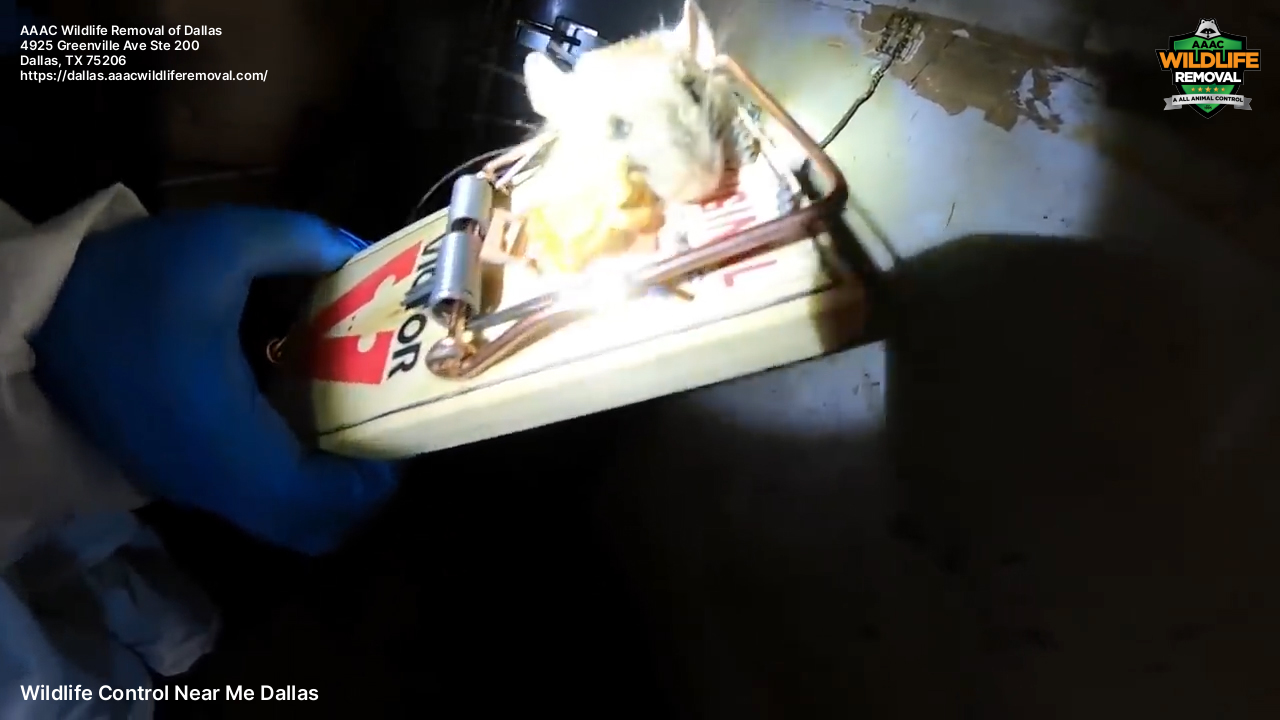
Chewing serves two purposes: access and dental maintenance. If the chewing is fresh, edges appear lighter in color and the debris field sits directly below the damage. Fresh wood dust on window sills or near soffit returns means you’ve likely got active work under way. A wildlife removal service can triangulate entry points using these clues, then handle squirrel removal or rat control with targeted trapping and exclusion, rather than guesswork that leaves the culprits inside.
4) Odors that come and go with humidity or temperature
Smell can beat sight when it comes to early detection. A musky, sweet odor that intensifies on wet days often points to raccoons using a consistent latrine or den area. Ammonia-like sharpness, especially near kitchens or pantries, suggests rodent urine marking. A sickly, sour smell in a single room can indicate a dead animal in a wall void or beneath a tub. Dead mice produce a lighter odor that fades in a week or two. A raccoon carcass can make a home unlivable for longer, depending on access and size.

Odor migration confuses people. Airflow patterns push smells around, so the source might be two rooms away or a floor above. Heated air rising can pull attic odors down through light fixtures and vents. I’ve traced “kitchen odors” back to a mummified squirrel inside a second floor return chase. The fix isn’t candles or ozone machines, it’s precise location, removal, and sanitation. A pest wildlife trapper will carry borescopes and thermal cameras to look through tiny holes rather than cutting open whole walls. That reduces repair costs and the time you spend living with the problem.
5) Staining on ceilings, streaks on walls, or insulation that looks tamped down
Circular yellow staining on ceilings sometimes indicates roof leaks, but organic streaks down ventilation pipes or around bathroom fans can also mean guano accumulation or nesting. Oily rub marks along baseboards, HVAC returns, and wall edges build up when rodents travel the same path repeatedly. On white paint, the marks look like smudged fingerprints at two to three inches off the floor for mice, higher for rats.
In an attic, look for trails across insulation. A smooth, tamped path from soffit to ridge reveals how animals commute. Concentrated tamping in a corner near gable vents often points to a nest. An experienced wildlife exclusion service reads those “highways” to set traps on the path rather than randomly. The goal is to remove the animals efficiently, then seal entry points so the trails go cold.
6) Daytime sightings of nocturnal animals, or unafraid animals near your home
Seeing a raccoon sunbathing at noon on a fence line doesn’t always mean rabies. Females with kits adjust schedules to feed. But repeated midday activity, walking in circles, or animals that approach people can be a red flag. Bats flying inside during daylight almost never do so by accident, and should be handled as a potential rabies exposure event. Skunks waddling under your deck before dusk tend to be normal, yet if they linger at back doors or wander inside open garages and refuse to leave, you may have a den site close by.
If animals lose their fear because humans feed them, problems escalate. I’ve relocated raccoons that learned to pull on sliding door handles for cat food. When wildlife associates your kitchen with easy calories, they test screens and weak spots relentlessly. A wildlife trapper can reset the relationship by removing problem animals and reinforcing the structure, but homeowners also need to change patterns. That’s pest abatement at a practical level: stop offering reward cycles, and the pressure on the building drops.
7) Repeated reentry after DIY fixes
Foam, steel wool, and standard caulk have their place, but wildlife sees them as speed bumps. I once inspected a townhome where the owner had foamed a half dozen golf-ball sized gaps in the soffit. Squirrels had simply carved new holes around every plug in less than a week. Steel wool pushed into a hole at grade will rust and fall away when it gets wet, and rats learn to pull it out. Even sheet metal fails if it’s thin and installed with soft screws at the edges.
If you’ve sealed a hole and the noise returns within a day or two, you likely closed an active route while the animals were inside, or you missed a secondary entry that serves as a relief valve. That creates a cycle of chase and patch that stresses homeowners and, worse, traps animals in walls. Pros approach exclusion differently. A proper wildlife exclusion service starts with a full perimeter audit, then creates one-way exits while leaving escape routes open, and only seals once all residents are out. Timing matters too. Bat removal, for instance, must account for maternity season and state rules to avoid trapping non-flying pups. A wildlife removal service knows the calendar and the code, which prevents expensive mistakes.
8) Damage to rooflines, vents, and exterior transitions
Wildlife loves the weak points of architecture. Roof-to-wall intersections, builder’s gaps at fascia returns, ridge vents with flimsy end caps, plastic gable vents, and dryer or bath exhaust hoods with brittle louvers are prime targets. If you can flex it with a hand, a raccoon can rip it apart with a determined pull. Squirrels explore where two materials meet: shingle to drip edge, brick to soffit, siding to utility penetrations. Hail or wind can start a crack that animals will enlarge. Birds peck at foam-backed trim to establish nests behind it.
Look up from different angles. From the ground, you might see a slight shadow at the soffit line where wood has been chewed back. From the roof, you might spot tufts of insulation poking out. Thermal differences at sunrise can show darker patches where conditioned air leaks through a new gap. A wildlife pest control service will often photograph these weaknesses, then match repairs to the species. Heavy-gauge screen secured inside the void works better than surface patches. Hardware cloth cut too large invites chewing at the perimeter. Details like that separate lasting fixes from temporary ones.
9) Health symptoms or pet behavior that hints at a hidden problem
Sometimes the first sign is indirect. Family members with allergies might experience flares, headaches, or coughing only when the HVAC runs, which can happen if droppings accumulate near return air. Dogs that stare at a wall or scratch a particular corner often hear what you don’t. Cats camping beneath a stove for hours are telling you something lives in the kick space or behind the range. If you open a pantry and find gnawed food packaging, that’s a straightforward rodent issue, but if you find pet food moved to a quiet corner and surrounded by shredded paper, you may be feeding more than your cat.
Bite incidents require sobriety. Bats inside bedrooms, especially if someone was sleeping, are treated as potential exposures. You don’t want to chase a bat out a window before a professional can capture and test it, because then you might have to undergo prophylaxis out of caution. When a pet tangles with a raccoon or skunk, even a superficial wound demands a vet visit, and the wildlife should be removed carefully to reduce further encounters. These are moments when a wildlife removal service coordinates with public health guidance and your vet, so your decisions are informed and fast.
10) Seasonal surges that repeat year after year
Patterns matter over a calendar. Squirrels test homes hard in late winter as females seek dens for spring litters, then again in late summer for the second litter. Bats shift roosts between maternity sites and late summer swarming, and you’ll see night flight activity concentrate around roof peaks and gable vents. Raccoons den heavily through cold snaps, then forage aggressively as temperatures warm. If each season brings a new breach in the same quadrant of your roof, you don’t have a one-off problem, you have a structural vulnerability paired with attractive habitat.
Clients sometimes tell me, “They’re back,” like it’s a weather event. The truth is, the house taught them they could succeed. Until the lesson changes, they’ll return. That’s where integrated nuisance wildlife management earns its keep. It’s not just traps, it’s habitat denial at the micro scale: sealed gaps, screened vents, reinforced roof edges, trimmed tree limbs, corrected drainage, and food control. That mix keeps a home boring to wildlife. Boring is the goal.
Why speed matters more than bravado
I’ve seen a raccoon tear through a rotted fascia board the size of a dinner plate in under ten minutes. Squirrels can strip six feet of wire jacket in the time it takes to pick up kids from school. Mice breed every three weeks, with litters of half a dozen or more. Add those behaviors together and a three-week delay can multiply your costs. Chewed wires translate to shorts and fire risk. Soaked insulation loses R-value and becomes a mold substrate. Soffit failures invite water intrusion, which leads to hidden wood rot. When I recommend calling a wildlife removal service quickly, it’s not to sell a job, it’s to minimize the cascade.
People sometimes worry about “overkill,” but a qualified wildlife pest control service scales the response. A single unattached bat found in fall requires very different handling from a maternity colony in June. One exploratory squirrel scratch at a fascia can be monitored, where an obvious hole with daylight demands immediate exclusion. Good operators explain why they propose each step and give you options.
What a professional visit should look like
A useful benchmark helps you know whether you’ve hired the right team. On a thorough inspection, a wildlife trapper should walk the perimeter, climb to inspect rooflines when safe, and open the attic to examine trails, droppings, and nesting. They should ask about timing of noises, note pet food storage, check garages and utility penetrations, and look at trees and fences that create runways onto the roof. You should see photographs of entry points and potential entry points.
The plan should separate three phases. First, stopgap measures to reduce immediate activity and risk. That might be installing one-way doors for the target species, targeted trapping if allowed by local rules, or securing vulnerable interior areas to protect wiring and ducts. Second, exclusion: sealing all viable entries with appropriate materials, not just foam and hope. Third, remediation: cleaning and sanitizing droppings, replacing soiled insulation where needed, deodorizing with products that neutralize odor rather than mask it, and adjusting habitat. If you’re in a regulated area or a place with protected species, such as with bat removal in maternity season, the plan should address compliance.
A brief note on costs and trade-offs
Prices vary with roof pitch, access, number of entries, and species. A straightforward mouse exclusion with snap traps and sealing food-grade gaps might run a few hundred dollars. A full squirrel removal and exclusion with roof work and attic sanitation stretches into the low thousands, and raccoon removal with heavy roof repair can cost more. Clients sometimes balk at exclusion proposals because a hardware store trap costs twenty bucks. The trap is a tactic. The exclusion is the solution. Pay once for durable sealing, and you avoid paying every season for new animals filling the old vacancy.
When budgets are tight, prioritize in this order: safety hazards first, active entry points second, and sanitation third. A sparking wire or carbon monoxide risk from a torn flue liner outranks everything. Next, stop the highway the animals are using. Then address the mess, because residual odor and pheromones invite reinfestation. If you sequence it this way, you get the most risk reduction per dollar.
Local realities matter, especially in and around Dallas
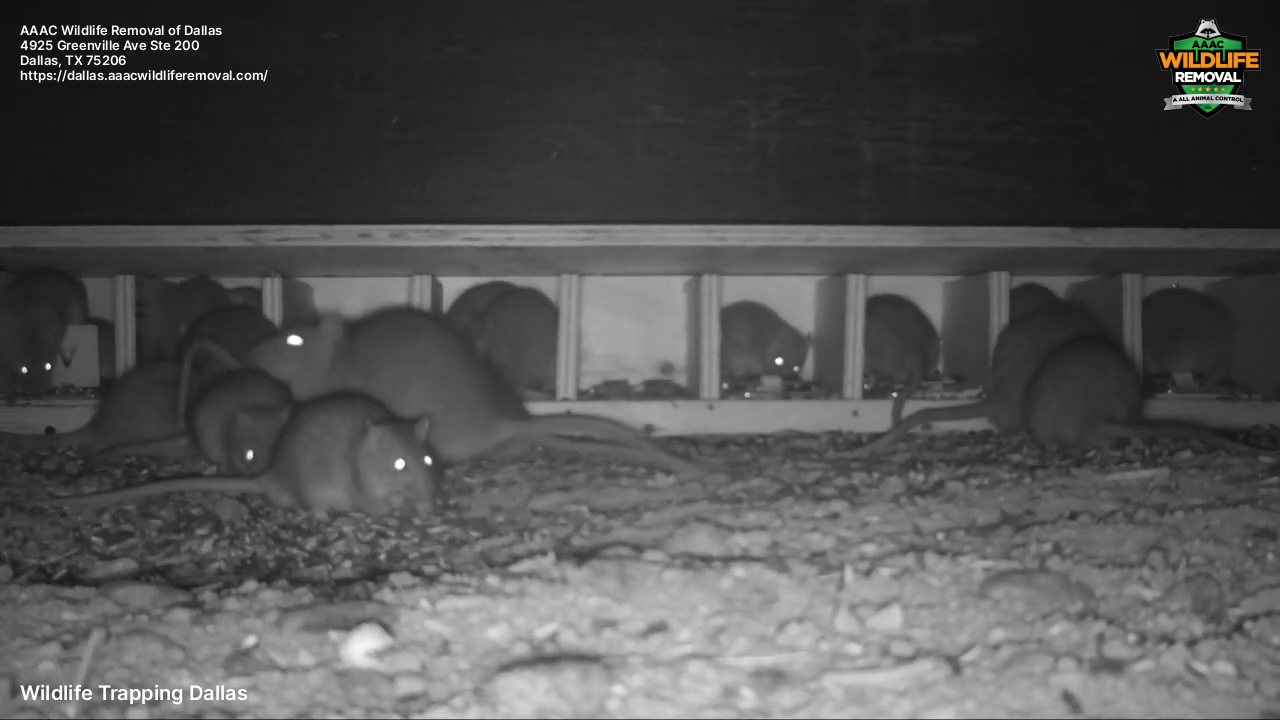
Climate and building styles shape wildlife pressure. In North Texas, hot attics and long dry spells push animals to conditioned spaces and shaded soffits. I’ve worked wildlife control in Dallas neighborhoods where mature trees overhang alleys, and the squirrel pressure on detached garages is relentless. Tile roofs hide gaps differently than asphalt shingle roofs. Pier-and-beam foundations give skunks and opossums an inviting crawlspace unless the lattice and vents are tight. After storms, raccoons exploit temporary damage faster than most homeowners schedule roofers. A company that knows wildlife control Dallas wide will anticipate these patterns, stock the right vent covers, and design exclusion that holds through heat and hail.
Humane methods are not a marketing slogan
Ethical nuisance wildlife management aims for removal without suffering, adherence to state regulations, and practical prevention. That means no glue boards for mammals, no trapping during bat maternity windows, and no relocation beyond legal distances that cause mortality. It also means understanding when lethal control is warranted for invasive rodents versus protected native species, and communicating that clearly. The right wildlife trapper will use one-way devices, species-specific traps, and release protocols where legal, then anchor the solution with structural corrections.
Clients sometimes ask if sound repellents or predator urine works. In my experience, those tools have limited, short-term value at best. Scent washes away, noise habituation sets in, and if a den is established, repellents rarely convince a mother with kits to move. Physical exclusion remains the bedrock. Supplementals like lights or sound can help during the transition week to make the space less welcoming while one-way doors do their work, but they won’t save a chewed ridge vent.
Prevention that actually helps
There’s a lot of advice online, some of it wishful. A handful of habits make a measurable difference because they remove incentives and narrow the attack surface.
- Store pet food and birdseed in sealed metal containers, not plastic tubs. Plastic slows mice briefly. Trim tree limbs to create a six- to eight-foot gap from roof edges where feasible. Squirrels can still leap, but you cut down the easy commute. Replace plastic vent covers with pest-resistant metal versions and add interior screening sized for the species you face. Secure garbage lids with latches and wash recycle bins periodically. Odor is a homing beacon. Schedule a roofline inspection after major storms. Fresh damage is an open invitation, and early repair is cheaper.
Do these things well and you’ll see fewer exploratory visits. And if trouble still shows up, the animal must work harder, which makes traps more effective and gives you time to respond.
When DIY makes sense, and when it doesn’t
Not every situation demands a crew. If you find a single mouse in a pantry, a few high-quality snap traps placed perpendicular to walls, baited with a dab of peanut butter, and positioned along runways can solve it. Seal cabinet pipe chases with copper mesh and caulk, then monitor. If a small bird finds its way into a garage, turn off lights, open the largest door, and give it ten minutes to find daylight.
But if you suspect a nesting mammal in an attic, if you hear vocalizations consistent with pups or kits, if you see a colony of bats emerge at dusk, or if you find a raccoon latrine on your roof, bring in a wildlife removal service. The risk of trapping young inside, the health hazards, and the potential for structural damage make professional handling the wise choice. The cost of a misstep often exceeds the cost of doing it right once.
What to ask before you hire
Choosing a provider is easier when you know the right questions. You want a company that balances pest control pragmatism with wildlife law and humane practice. Ask how they inspect, what materials they use for exclusion, and whether they guarantee their seal work. Ask if they handle cleanup and insulation replacement or if you’ll need another contractor. Ask about timing, particularly for bat removal and raccoon kits. A good wildlife pest control service explains https://tysondywd347.cavandoragh.org/how-to-choose-a-licensed-wildlife-trapper-you-can-trust trade-offs and gives you a clear, staged plan, not a vague promise to “set some traps and see.”
If you’re comparing bids, look beyond price to scope. The cheapest quote often omits exclusion or sanitation, which means you’ll pay again later. The most expensive quote sometimes forces full insulation replacement when spot remediation would do. A balanced plan identifies where targeted work achieves 80 percent of the benefit and where comprehensive work is worth the investment.
The bottom line
Wildlife doesn’t become a problem overnight, it builds. First, a mouse scuttles under the stove. Then you hear a thump in the attic. Then a rainstorm blows through, a fascia softens, and a raccoon moves in. Each sign is a chance to intervene. The ten signs here show you when the clock is ticking faster. If you recognize two or three at once, treat it as a now problem. Call a professional wildlife trapper, get a realistic plan, and close the chapter with proper exclusion.
Whether you’re dealing with raccoon removal on a steep two-story, squirrel removal where the soffit meets brick, or a sensitive bat removal that must respect maternity timing, the right team will combine removal, repair, and prevention. Do it once, do it well, and your home drops off the local wildlife map. That’s the quiet you’re after.