Most homeowners notice wildlife only when something chews through the soffit, raids the garden, or rattles around the attic at 3 a.m. By then, you’re reacting. Seasonal nuisance wildlife management flips the script. Instead of firefighting after damage occurs, you prepare for how animals behave through the year and shape your property so it’s a poor match for their needs. That’s where experience matters. Animals follow predictable rhythms, and when you anticipate those patterns, you reduce conflict, lower repair costs, and keep the animals safer too.
This guide draws on field practice from years of wildlife control work across mixed suburbs, small towns, and rural properties. Every landscape is different, but the seasonal playbook holds up. Think of it https://tysondywd347.cavandoragh.org/understanding-local-laws-for-pest-wildlife-removal as disciplined maintenance tailored to biology: what seeks warm shelter in winter, what raises young in spring, what tests fence lines in summer drought, and what gorges on fruit and acorns in fall. With that calendar in mind, nuisance wildlife management becomes a series of deliberate moves, not a scramble.
The seasonal lens: why timing is everything
Animals are not random. They pick entry points when mating makes them mobile, breach gardens when young mouths need feeding, and choose attics when temperature swings and precipitation squeeze them. You get the same species list across much of North America, yet the pressure points change with month and weather. A mild winter pushes skunks to den under porches earlier. A bumper acorn crop delays rodent incursions until late winter. A dry summer amplifies raccoon and opossum visits to bird baths, pool covers, and pet bowls.
Professionals who offer wildlife removal services plan by lifecycle. They run breeding calendars for common culprits, set inspection schedules before the animals shift, and fit exclusion hardware at the precise moment when denying access will not trap dependent young. If you’re managing your own property, borrow that rhythm. It spares you the costly mistake of sealing a chimney with raccoon kits inside or placing traps when food surges make bait less attractive.
Spring: nesting, denning, and the quiet damage you won’t see until it’s costly
From late February through May in many regions, activity ramps up fast. Rodents look for secure cavities, squirrels cache nesting material, and raccoons, skunks, and groundhogs scout dens. Birds stake out vents and eaves. The weather turns just enough that attics warm like incubators. If you’re lax during spring, you set yourself up for torn insulation, saturated drywall from urine, and chewed wires hidden behind neatly painted walls.
What works in spring is not aggression. It’s precision. Inspect, verify, exclude, and only deploy traps when you confirm active intrusion and you can legally and humanely remove the animal without leaving dependent young. A typical spring service call goes like this: customer hears morning scratching near dawn, daily, for a week. A professional checks the roofline and finds fresh chew around a fascia gap, then watches for the afternoon exit time. Thermal imaging or a scope camera confirms no babies near the entry. The wildlife trapper installs a one-way door and tight metal flashing that overlaps the soffit by at least two inches and screws into solid framing, not crumbly trim. If there’s any sign of kits, timing shifts. You either wait for weaning or perform a hands-on removal with a reunite protocol, placing the kits in a warmed reunion box just outside the re-entry point so the mother relocates them.
Avoid the classic spring mistakes. Do not spray repellents into an attic with possible kits. Do not seal a hole because “they’re not home right now.” Do not forget that dryer and bathroom vents double as nesting cavities for sparrows and starlings. Vent covers with half-inch hardware cloth and a solid perimeter frame save headaches later.
Summer: drought, water sources, and heat-driven incursions
By June and July, juveniles are mobile and curious. Food becomes scattered as early spring vegetation toughens and some water sources dry out. Now the property’s smallest oversights start to matter: a leaky hose bib, a pet dish by the back steps, or that koi pond with shallow edges. You control summer wildlife where you control water and calories.

I’ve seen entire raccoon patterns shift because one house left dog food on the deck. The raccoons mapped it within a week, then checked neighboring yards for the same reward. A simple rule saves you: outdoor feeding invites nighttime traffic and the predators that follow. If you keep chickens, rabbits, or pigeons, assume your coop is a snack display. Hardware cloth, not chicken wire, is the baseline. Chicken wire keeps chickens in, not predators out. That’s one of those field sayings that deserves to be repeated.
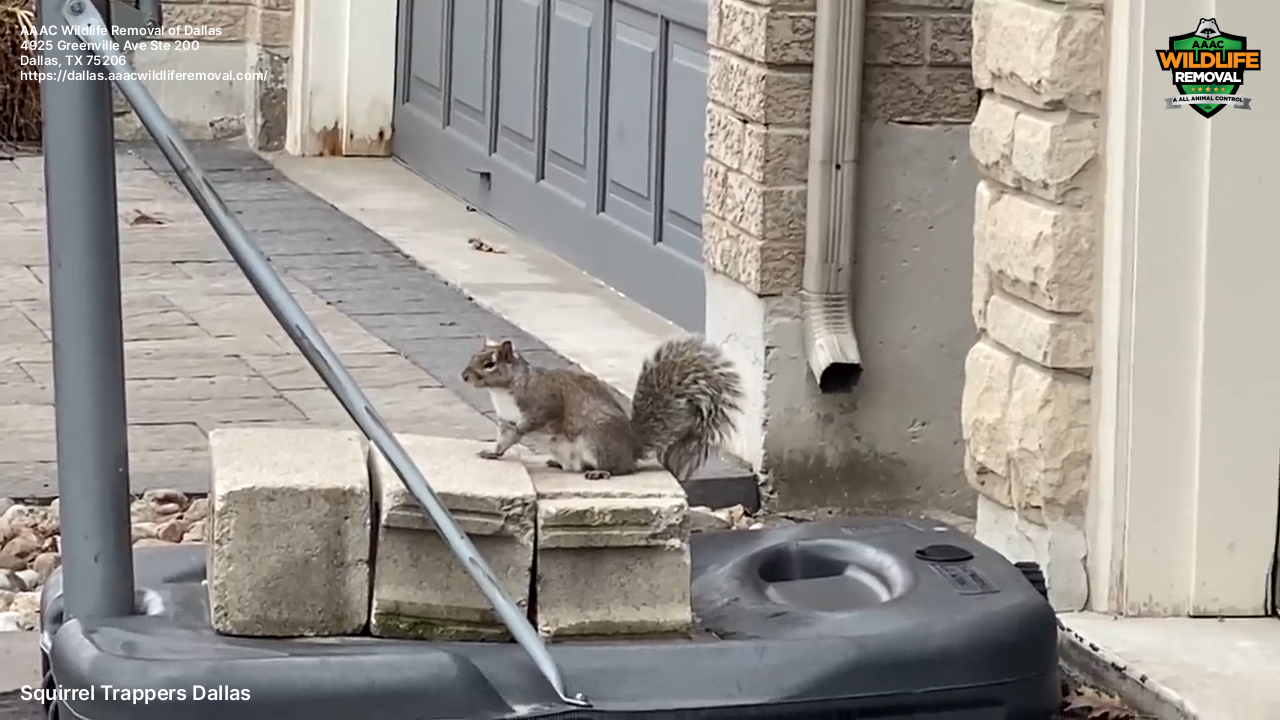
Heat also drives roofline damage. Expansion gaps open around trim, and squirrels exploit them. Mid-summer is a good window for exterior maintenance because plant growth is obvious and you can see how branches brush the roof. Trimming trees so there’s at least eight to ten feet of horizontal clearance between branch tips and roof edge takes away the runway squirrels love. It’s not a guarantee, but it denies the easiest path and reduces leaf litter accumulation that hides entrances.
If your area sees a spike in snakes during summer, the pattern usually ties back to rodent pressure and yard clutter. Tidy woodpiles, store them on racks at least a foot off the ground, and keep them twenty or more feet from structures. Mice like those piles, snakes follow mice. Remove the base layer, the rest shifts on its own.
Fall: food flush, burrowing, and the pre-winter push
Fall is harvest season for wildlife. Acorns, apples, garden remnants, and compost piles concentrate calories. Animals bulk up and test shelter options before cold snaps. You’ll see renewed interest in under-deck cavities and foundation voids. Moles and voles mark new runs, not because your lawn is special, but because grubs and earthworms move with temperature and moisture. Rodents begin scouting warm cavities at night, probing for consistent heat and minimal disturbance.
This is the best season for preemptive wildlife exclusion services. You can work aggressively on the envelope without high breeding risk, and temperatures are comfortable enough to spend time on thorough sealing. Expect to crawl, measure, and bend metal. Quick caulk jobs fail in a season. Long-term exclusion relies on materials that resist teeth and claws. Skip thin sheet metal and flimsy foam where rodents are concerned. Quarter-inch galvanized hardware cloth, heavy-gauge flashing, stainless steel wool packed tight behind the metal, and mechanical fasteners into framing outperform any goop in a tube.
I learned the power of fall prep on a rental with a flat roof and parapet. Every November, rats would breach the same weak corner. We finally rebuilt the corner with 26-gauge galvanized, wrapped it under the cap, and extended it down the fascia where chew marks showed. We also cut back a nearby privet hedge that gave a concealed climb. Two seasons of quiet confirmed what we suspected: the strength of the corner and removal of the leafy ladder mattered more than poison bait that had only rebounded the population.
Winter: warmth, denning, and safety when everything is sealed up
Cold weather forces wildlife decisions. Some species go torpid, some den with minimal movement, and others keep foraging every night. Your house is the warmest, driest structure in their territory. That means any fall exclusion mistakes will surface now. You’ll hear gnawing between 1 and 4 a.m., or you’ll see droppings by the water heater. The right response is careful confirmation, not panic.
Attic activity often points to squirrels or rats. The time of day helps, but it’s not foolproof. Squirrels can be diurnal yet still move at odd hours in winter. Tracking powder and camera traps in crawl spaces can make the invisible visible within a day or two. If you deploy traps, anchor them. Animals will drag unsecured traps into inaccessible voids. That’s a hard lesson to learn on a holiday weekend.
Safety matters more in winter work. Many homeowners close every vent and seam to keep heat in. Good for energy bills, bad for combustion appliances. Before you block any opening, confirm it’s not an active vent for a furnace, water heater, or fireplace. Backdrafting kills silently. A competent wildlife control professional will evaluate make-up air and recommend vent guards designed for airflow, not improvised screens that clog with lint or frost.
The toolbox that actually works
There’s a lot of gear marketed for pest control that reads better on a package than it performs in real houses. Brightly scented repellents, ultrasonic devices, and plastic hawk decoys can offer minor, temporary relief. Over the long haul, mechanical exclusion wins. That’s the consensus among experienced wildlife trappers and technicians who live with callbacks and warranties.
Good tools share traits: they modify structure, they are verifiable, and they survive weather and teeth. One-way doors belong in that group when used properly. They let animals exit and then redirect them to a new den. If you use them without confirming no young are inside, you create cruelty and a smell you won’t forget. Wildlife removal services that stand behind their work will walk you through that decision and schedule returns to confirm peace and quiet isn’t just silence before a storm.
On the grounds, electric netting for gardens and poultry gives flexibility. Establish clear, taut lines and maintain vegetation beneath the fence to prevent grounding. A fence that sags after a week becomes a training course for raccoons. On deck skirts and sheds, buried apron fences can stop diggers like skunks and groundhogs. The apron is just hardware cloth attached to the base and buried outward six to twelve inches so the animal encounters a barrier when it tries to dig at the seam. They give up more often than not because the digging angle becomes awkward.
When rodents are the issue, a blended approach works best: exterior exclusion to stop new traffic, then interior reduction with snap traps placed along travel routes. Devices loaded with fancy claims rarely beat a well-anchored, correctly baited trap placed perpendicular to the wall so the trigger sits where whiskers test. If you feel squeamish, hire help. The ethics of wildlife pest control improve every time a homeowner trades fear for competent management.
Food, shelter, water: change those levers and wildlife changes course
Properties draw wildlife when they offer calories, cover, or consistent moisture. You can’t erase all three, but you can dial them down to levels that make your neighbor’s yard more attractive than yours.
Food sources hide in habits. Bird feeders are the obvious one. If you love birds, accept that you’ll also attract rodents and raccoons. You can mitigate: place feeders away from structures, use baffles on poles, clean up spillage regularly, and consider seasonal pauses when rodents surge. Pet food left out at dusk sends a wider invitation than most people realize. Compost needs a rodent-resistant design with a tight lid and metal mesh sides, or you’ll raise a rodent nursery alongside your soil project. Fruit trees drop sugar bombs. Pick up windfalls promptly, or set a timed yard check near dusk during peak drop. It takes ten minutes that save hours of later cleanup.
Shelter hides in construction gaps and yard clutter. Cheap lattice around a deck is nothing to a skunk. You’ll need a rigid barrier anchored tight to the frame. Gaps at the garage door, sometimes less than half an inch, can admit mice. Sweep seals wear out invisibly until you replace them and wonder why you waited.
Water is subtle. Drip irrigation, poorly graded soil that ponds next to the foundation, or pooling at the base of a downspout becomes a wildlife magnet. Correct with splash blocks or downspout extenders that carry water five to ten feet away. Top off that change by checking hose bibs for slow leaks. If you have a pool, maintain your cover so there’s no sagging puddle to drink from. I’ve pulled juvenile raccoons out of covers that became death traps. A little tension on the cover and a ramp board left overnight can save an animal.
When to call a pro, and what a good pro looks like
Not every problem requires a specialist. Many exclusion tasks fall under skilled DIY with the right tools. But there are times when a wildlife trapper or a company offering wildlife exclusion services is the ethical, efficient choice.

Situations that trigger a call: faint chirping, chittering, or high-pitched squeals that suggest dependent young; entry points near power lines or steep, brittle roofing; bat issues, which carry legal restrictions and timing rules in many states; and any time droppings or contamination are extensive enough to warrant protective equipment and safe cleanup protocols. Professionals bring lift access, fall protection, respirators, and training in pathogen risk. Guano and rodent droppings are not just unsightly, they can carry diseases that require informed handling.
A good provider does a few things consistently. They inspect thoroughly and photograph or film every concern so you can see what they see. They offer options, not just trapping. You should hear about sealing, ventilation fixes, and landscape changes, not just cages and fees. They respect breeding seasons and local regulations, especially with bat maternity windows and migratory bird protections. They warranty their exclusion work with details: which seams, what materials, and for how long. And they communicate realistic timelines, including the fact that sometimes patience for a week can prevent an inhumane outcome.
Regional differences and weather surprises
Species lists change across regions, but the principles hold. In the Northeast and Midwest, attic squirrel season peaks early spring and fall. In the Southeast, reptile encounters extend later into the year and attic heat patterns shift, pushing animals into shaded soffits and vents. In arid regions, javelina, coyotes, and pack rats complicate gardens and wiring under vehicles. Coastal zones get gulls and raccoons that learned to open unsecured trash bins, and marsh-adjacent communities see muskrat or nutria burrowing near water control structures.
Weather anomalies override calendars. A warm winter can mean raccoons birth earlier. A late cold snap can strand bats in roosts when insect hatches stall. Extended drought drives animals into suburban water features that they previously ignored. If you sense unusual movement, trust that sense and inspect sooner than your normal schedule. The animals are adapting, and so must you.
Practical sightings and signs
You learn to read signs the way a tracker reads dust. The more you look, the quicker you tie a sound or mark to a species and behavior. Light rattling overhead near dawn often points to squirrels. Heavy thumps at night could be raccoons on a roof, especially if you hear them interact. A musky, faintly skunk-like smell without a spray event might actually be mice or rats marking, a clue to larger numbers. Disturbed mulch along foundation edges suggests rodent highways. Smudges on siding near a downspout often indicate a climb path. If you find droppings, shape and size matter: rice-sized and pointed at ends tends to be mice, thicker pellets for rats, larger segmented for raccoon. If you are unsure, picture evidence helps a pro advise you remotely before a visit.
With birds, a thin layer of nesting material below a bathroom vent often precedes a full nest. Install a vent guard promptly, but check for active nesting so you stay within local rules. With bats, stained rub marks around a narrow gap and a few rice-sized droppings beneath a section of roofline can confirm use. Bats require a different timetable and specialized one-way exclusion devices. Many jurisdictions restrict work during maternity season to prevent trapping non-flying pups. Experienced wildlife control services will schedule around those windows.
A brief seasonal checklist you can reuse
- Early spring: inspect roof edges, soffits, and vents; check for chew marks; delay sealing if young are present; install one-way doors only after confirmation. Mid-summer: eliminate standing water, secure pet and livestock feed, maintain garden fencing, and trim branches back from the roof. Early fall: perform a full exterior exclusion pass with hardware cloth and flashing; reinforce deck skirts and foundation gaps; clean up fruit drops and secure compost. Deep winter: verify venting for combustion appliances before any sealing; monitor attics and crawl spaces with traps or cameras if sounds persist; address sanitation safely.
When you rent, share walls, or live under HOA rules
Apartments and townhomes complicate nuisance wildlife management because your envelope overlaps with neighbors and you may need permission to modify exterior features. Don’t let that stop you from acting. Start with documentation. Record sounds with dates and times, photograph droppings or entry points, and submit a clear maintenance request. Offer practical, low-cost steps management can authorize quickly, like replacing a worn garage sweep, installing a dryer vent guard, or trimming a specific branch.
If the HOA moves slowly, focus on what you control: interior sanitation, removing indoor-accessible food, sealing pipe penetrations under sinks, and setting traps inside your unit. Avoid poison baits in shared buildings whenever possible. Dying rodents in wall cavities cause odor complaints and flies that spread to multiple units. Encourage the board to approve a building-wide exclusion plan, not just a one-off trapping program. The best pest wildlife removal outcomes in shared environments come when the building envelope gets tightened once, with responsibility assigned for maintenance.
The payoff: fewer crises, better outcomes for you and the animals
People call wildlife control when a problem turns urgent. After a few of those calls, they adopt seasonal routines that eliminate most surprises. The pattern is consistent: once your property stops supplying easy food, obvious shelter gaps, and casual water, the animals spend less time testing it. You still share a neighborhood, but the friction eases. The expense also steadies. Paying for quality flashing and hardware in the fall beats emergency roof repair after squirrels chew through a wire and pop a breaker in January.
There’s an ethical dividend too. Effective nuisance wildlife management does not mean harshness. It means clarity. You draw boundaries with durable materials, you respect breeding cycles, and you use humane tools. Animals move to suitable habitat. You reclaim your attic and garden without harm.
If you’re overwhelmed, hand the plan to a reputable provider. Ask them to review your property with a seasonal mindset and to tailor a schedule that suits your climate and structure. Whether you do it yourself or work with a pro, think like the wildlife. Anticipate. Remove the reward, block the path, and verify the result. That quiet you hear at night afterward is not luck. It’s the sound of a well-managed property.