Raccoons are clever, persistent, and remarkably strong for their size. If you have one in the attic or rifling your trash, you’re dealing with a problem that doesn’t fix itself. I’ve crawled enough rafters and patched enough soffits to know that success comes from a blend of smart inspection, disciplined exclusion work, and disciplined follow-through. Skipping a step only trains the animal to try harder.
This guide walks through practical methods for raccoon removal and long-term wildlife exclusion, including how to lock down your trash, seal the attic, and avoid common mistakes that attract more problems. I’ll share tactics we’ve used in nuisance wildlife management and when it’s time to call a professional for wildlife pest control. Along the way, I’ll note where similar steps apply to squirrel removal and bat removal, because homes tend to attract more than one type of visitor.
Why raccoons target your home in the first place
The average suburban yard is a buffet and a fortress in one package. Trash offers consistent calories. Pet food on the porch adds a predictable dessert course. Attics provide warm, dry nursery space, especially appealing from late winter into early spring when females den and rear kits. Once a raccoon learns your routine, it returns like clockwork. They memorize bin pick-up days, weak fence points, and loose soffit vents. I’ve watched raccoons pry a garbage can lid that a German shepherd couldn’t budge, then drag off a bag like a seasoned shoplifter.
Understanding motivation matters. A raccoon is not malicious. It’s opportunistic. Your job is to close the opportunity at every level, both food and shelter, while using proper wildlife control techniques that are legal and humane.
Safety first: what to know before you engage
Raccoons can carry parasites and diseases, including roundworm and rabies. Any hands-on wildlife removal without gloves and eye protection is asking for trouble. I’ve seen people https://damienugjh700.iamarrows.com/common-wildlife-removal-mistakes-and-how-to-avoid-them inhale dust in an attic and spend weeks dealing with respiratory irritation from dried droppings. The fix is simple: wear a respirator rated P100 or N95 at a minimum, thick leather or nitrile-coated gloves, and a long-sleeve layer you can launder hot. Keep pets away from active den sites. If you find a raccoon acting lethargic, stumbling, or aggressive in daylight, call your local animal control or a licensed wildlife control operator at once.
In most states, there are regulations about wildlife trapping and relocation. Some prohibit moving raccoons off site because of disease spread and survival rates. Before you set any device, check your state wildlife agency’s rules. Professional wildlife pest control operators carry the right permits and know the legal routes, which can save you time and fines.
First, confirm you’re dealing with raccoons
Misidentification leads to lost effort. Raccoon activity leaves specific signs. Heavy thumping above the ceiling at night, chittering sounds, and a musky odor suggest raccoons. They tear insulation in fist-sized clumps and compress it into paths. Entry holes tend to be larger than a softball, often at roof intersections, loose soffits, or a chewed gable vent. Garbage raids leave rounded paw prints and a scattering of food scraps. If you see narrow, rapid skittering noises at dusk and dawn with smaller droppings, you might have squirrels instead. High-frequency squeaks in summer, guano piles, and a faint ammonia smell point to bats. Accurate ID ensures you choose the right wildlife exclusion method and timing, especially since bat removal carries seasonal restrictions in many regions.
Trash control that raccoons can’t beat
Most raccoon problems start outside with poor waste security. A lid that “usually stays closed” fails the first time a raccoon decides to test it. I’ve watched them solve simple bungee cords like puzzle boxes. Invest once in trash containment, and you’ll remove the single biggest attractant.
A functional approach: choose heavy-duty, latching containers with a smooth exterior that offers no purchase for claws. Hinged, gasketed lids outperform standard lids in both odor control and resistance to prying. If your hauler allows, consider bins with side latches that lock automatically when set down. Store bins in a garage or a rigid enclosure. If you must keep them outdoors, anchor them. A short length of chain and ground anchor can keep a tipped can from becoming a rolling snack cart.
Rinsing food packaging reduces scent plume. I don’t suggest dishwashing your recyclables, but a 10-second rinse prevents a week of odor. Bag meat scraps and high-odor waste, then freeze them until pick-up morning. It’s low effort and highly effective. Pet food should never sit outside overnight. A single bowl on the porch teaches a raccoon the house pays a nightly dividend.
The attic game: how to inspect the structure like a pro
If you suspect an attic den, set aside a couple of hours to inspect thoroughly. Start at ground level, then work up. You’re looking for paths of least resistance.
At grade, look for vertical routes: downspouts, lattice, stacked firewood, trees with overhanging limbs. Raccoons climb better than most people believe, and their preferred path is the easy one. At the roofline, pay attention to the meeting points of different materials. Soffit returns at the front of a gable are common breach points. A raccoon can bow out a soffit with a single shoulder shove if there’s no blocking behind it. Gable vents with vinyl or light aluminum louvers are an open invitation. Ridge vents can be peeled if they lack continuous underlayment and proper fasteners.
Inside the attic, scan for daylight. Any visible light means a potential entry. Trace the insulation patterns. A compressed trail across the rafters often leads to the hole. Note any latrine area: raccoons tend to defecate in consistent spots, which concentrates contamination and odors. Photograph everything. You’ll use these images to plan repairs and to confirm you sealed all breaches later.
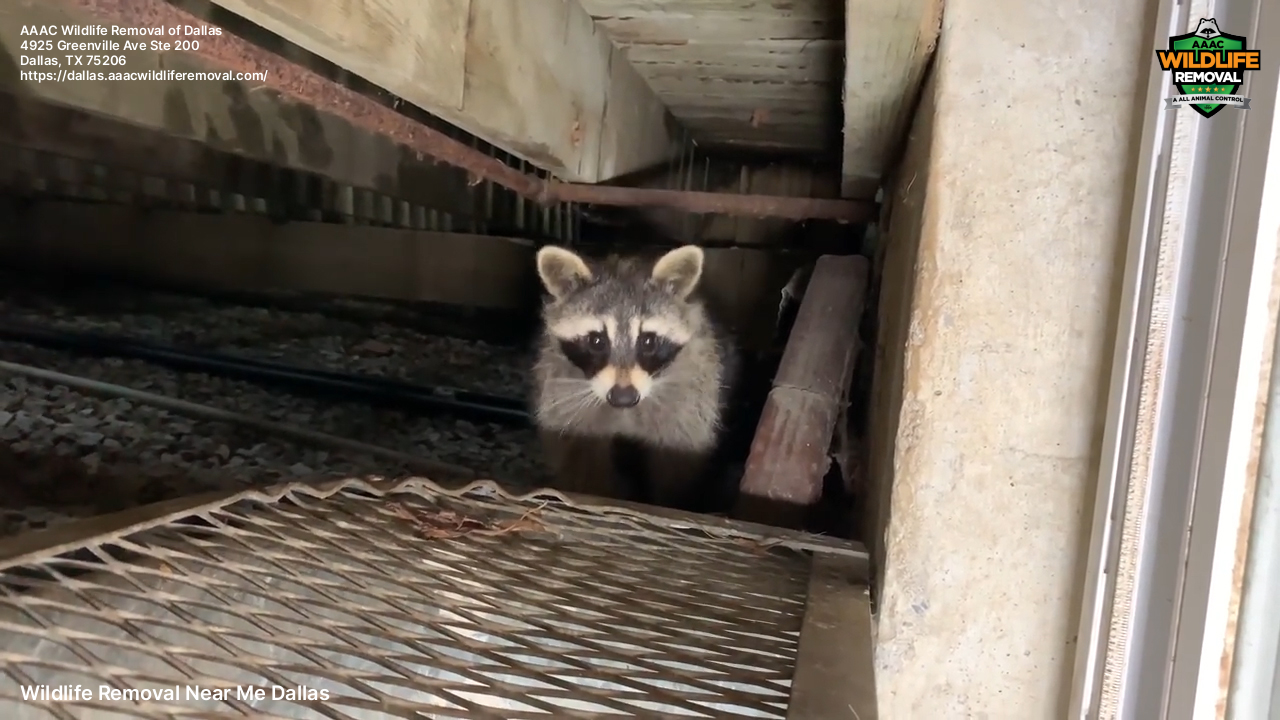
Timing matters: don’t trap or exclude recklessly during pup season
From roughly February to May in many regions, female raccoons birth kits. During this window, aggressive trapping or immediate sealing can strand young in the attic. That’s a mistake you don’t want to make. Orphaned kits cry, attract flies, and create a biohazard. If you hear chittering, softer coos, or rhythmic squeaks, you likely have kits. Confirm with a cautious attic check during daylight when the mother is likely out foraging less frequently. If kits are present, humane wildlife removal often involves encouraging the mother to relocate them herself with gentle disturbances and scent deterrents, followed by sealing once the family is out. Many wildlife control operators have specialized techniques for maternal moves that avoid harm and speed the process.
Choosing the right removal strategy
Removal choices fall into three broad categories: one-way exclusion devices, targeted wildlife trapping, and guided relocation by the mother. The best option depends on season, building condition, and the animal’s behavior.
One-way doors are the cleanest method for solitary adult raccoons when no kits are present. The device mounts over the active hole and allows exit but not reentry. Success hinges on closing all secondary gaps so the animal cannot force a new entrance. Professionals often pair the exit device with a deterrent light or sound inside the attic to encourage a prompt departure. Leave the device in place several days, then verify no activity before sealing.
Targeted wildlife trapping can be necessary when a raccoon has imprinted on the site, refuses to leave, or causes structural damage daily. Use a properly sized live-capture cage with stable placement and shielding to reduce stress to the animal and avoid entanglement with pets. Baits like marshmallows, sweet pastries, or fish-based cat food can work, but placement matters as much as bait. Position traps along travel routes, not randomly in open yards. Check traps frequently, as required by law. In many states, relocation is restricted. Some regulations require on-site release after exclusion or euthanasia by a licensed professional. This is where a permitted wildlife removal company earns its fee and ensures compliance.
Guided relocation by the mother works well during denning season. A combination of light, mild disturbance, and scent aversion encourages the mother to move her kits to a secondary den. Place a bright work light in the attic near the nest, play a talk-radio track at conversational volume, and add a cloth lightly dampened with apple cider vinegar nearby. The goal is not terror, simply discomfort. Check twice daily for departure. Once silent for 48 hours and you confirm no returning adult, seal the entry.
Sealing the envelope: permanent wildlife exclusion
Exclusion is the long-term fix. Aim for construction-grade solutions, not quick patches. Whenever I return to a home with a repeat raccoon, the failure is almost always a soft repair: duct tape on a vent, screen stapled to rotting wood, or foam without a backer.
Use exterior-grade materials sized for the job. For soffit repairs, replace damaged panels and install blocking to prevent flex. Fasten gable vent covers with screws into framing, not just louvers. Under the vent, mount a layer of 16-gauge galvanized hardware cloth with 0.5-inch openings, cut to fit snugly, edges hemmed or trimmed flush to avoid sharp points, and fastened with screws and fender washers. For ridge vents, verify continuous underlayment and secure with ring-shank nails or screws per manufacturer specs. If the roof covering is at the end of its life, schedule replacement and integrate a shingle-over steel ridge vent that resists prying.
Where roof lines meet masonry, install metal flashing that cannot be chewed. Avoid relying on spray foam alone. Foam is a sealant and air barrier, not a structural deterrent. If you need to fill minor gaps after a hardware cloth backer is installed, the foam helps with weatherproofing.
Chimneys deserve special attention. A stainless steel chimney cap with a proper spark arrestor screen prevents both raccoon entry and hot embers escaping. Cheap caps deform. A quality cap resists prying and lasts through freeze-thaw cycles. For attic vents and fans, use purpose-made wildlife guards. Retrofits exist for most standard sizes and cost far less than repairing a shredded fan housing.

The sanitation piece: clean, disinfect, and restore insulation
Even after a successful exclusion, the job is not done until you remediate contamination. Raccoon latrines can contain Baylisascaris roundworm eggs that remain viable in the environment. Dry sweeping spreads dust. Instead, mist droppings lightly with a diluted disinfectant to keep dust down. Use scoop tools and double-bag waste. Some situations justify a HEPA vacuum. For larger or older infestations, a professional remediation crew is worth the money. They bring negative-air machines, proper PPE, and disposal protocols that protect you and your family.
Insulation that is flattened or soiled loses R-value and can harbor odor that draws wildlife back. Replace the worst sections, then top up the entire attic to the recommended R-value for your climate zone. In my experience, clients who restore insulation properly report lower energy bills and fewer odor complaints later.
What often goes wrong: the five classic mistakes
- Closing the hole while animals are still inside Patching the primary entry but ignoring two smaller gaps nearby Trapping without checking legal requirements or the trap daily Leaving trash accessible during and after exclusion Using flimsy materials like screen door mesh or tape for structural repairs
These errors create repeat visits and higher costs. A raccoon denied reentry at one point often opens a new one a few feet away. That’s why full-perimeter inspection and high-grade repairs matter.
When to call a pro
If you suspect kits, lack safe roof access, or live in a jurisdiction with strict wildlife laws, hire a licensed wildlife control operator. Look for companies with specific expertise in wildlife removal and wildlife exclusion, not general pest-only outfits that focus on insects. Ask what materials they use, how they verify all animals are out, and whether they provide photo documentation. Good operators offer a written warranty on exclusion work, typically 1 to 3 years, and will return if a raccoon tests a seam.
Complex rooflines are another reason to call for help. Multi-level valleys, tile roofs, and aging cedar shakes all complicate exclusion, and mistakes can lead to leaks. A pro with roofing knowledge can integrate flashing and vent guards cleanly.
How this applies to squirrels and bats
Homes with raccoons often host other wildlife over time. The principles remain the same, with important nuances.
For squirrel removal, expect smaller entry points and more daytime activity. Squirrels gnaw continuously, so marginal wood and chewed fascia are common. One-way excluders at holes paired with sealing every gap the size of a quarter or larger prevent return. Trim trees back 8 to 10 feet from the roofline if possible. Metal drip edge guards and chew-proof flashing pay dividends.
For bat removal, timing is governed by maternity season. Many states restrict exclusion during periods when non-flying pups would be stranded. Bat valves function like raccoon one-way doors but fit smaller gaps and remain installed for a longer window to ensure every bat exits. Bat guano requires careful cleanup and sometimes professional remediation. Unlike raccoons and squirrels, bats cannot be trapped in a standard sense. The solution is always humane exclusion and sealing, performed within legal windows.
In every case, long-term success rests on the same foundation: identify the species and season, guide them out safely, and invest in durable sealing.
A practical, step-by-step plan you can follow
- Secure all food sources outdoors: latch garbage, rinse containers, freeze high-odor scraps until pick-up, and bring pet food inside nightly. Inspect the structure methodically: ground to roof, day to dusk, noting paths, gaps, and any daylight in the attic. Photograph and map repairs. Determine presence of young: listen for chittering, check for nest material, and time your approach accordingly. Choose the right removal method: one-way door for solitary adults, guided maternal move during denning, or targeted wildlife trapping where necessary and legal. Seal with durable materials: hardware cloth backers, metal flashing, chimney caps, guarded vents, and reinforced soffits, followed by sanitation and insulation restoration.
Follow that sequence and you’ll close the loop. Skip a step and the problem tends to circle back.
Gear that earns its keep
You don’t need a truck full of tools, but a few items make the work safer and more effective. A good headlamp frees your hands in the attic. A P100 respirator provides stronger filtration than a standard dust mask. Cut-resistant gloves protect against sharp metal as much as bites. Tin snips and a cordless driver handle most hardware cloth and vent guard installs. A stable extension ladder with levelers matters more than brand or gimmicks. Store a roll of 16-gauge hardware cloth and a box of fender washers, and you’ll be ready to cover most small gaps properly.
If you’re trying wildlife trapping, invest in a sturdy live-capture cage large enough for raccoons and a trap cover to reduce stress and discourage curiosity from neighbors’ pets. Always label traps with your contact information if your municipality requires it.
Proofing the yard beyond the house
Raccoon pressure lessens when your landscape is less accommodating. Thin out dense ivy and groundcover where raccoons hide during daytime. Use smooth metal collars on poles that support bird feeders or take feeders down at dusk if activity is high. Block crawlspace vents with hardware cloth cut to fit tightly, not plastic louvers that snap in. If you have a deck, consider adding skirt boards backed by hardware cloth to deny access to the dark, dry crawl space raccoons adore. A motion-activated light is a mild deterrent but works best when combined with secured food sources.
On fences, raccoons climb well, so height alone rarely stops them. Angled topper rollers can help in tight alleys where access routes are limited. Still, it’s more effective to address what drew them in: food and gaps.
Real-world timelines and expectations
In straightforward cases with a solitary adult and no kits, plan on 3 to 7 days from first setup to full seal and cleanup. With kits, relocation by the mother can take several days, sometimes up to two weeks if weather is cold and the mother hesitates to move them. Full remediation with insulation replacement may add another day. Don’t rush sealing before you are confident the attic is quiet. I like to schedule a dusk and a pre-dawn listen from the yard, paired with a baby monitor or wildlife camera in the attic if there’s any doubt.
As for cost, DIY materials for a modest home typically run a few hundred dollars for vent guards, hardware cloth, fasteners, and a chimney cap. Professional wildlife removal and exclusion commonly ranges from a few hundred to several thousand dollars depending on roof complexity, number of entry points, and remediation needs. The cheapest bid often uses light materials. Ask to see photos of past work and materials up close.
Working with your municipality and neighbors
If your block battles overturned bins weekly, coordinate pick-up timing and container standards. Some municipalities offer wildlife-resistant carts by request. Syncing bin placement to the morning of collection rather than the night before cuts raids dramatically. Talk to neighbors about pet food and compost habits. One household leaving out a smorgasbord can keep the whole raccoon population invested in your alley. If there’s a persistent issue in public greenbelts or parks behind your property, notify the parks department. They may provide additional trash service or adjust maintenance that currently encourages shelter.
Aftercare: how to know the fix is holding
A month after exclusion and sanitation, walk the property again. Check the repaired soffit in bright light for flexing or gaps. Verify the chimney cap is tight. Look for new scuffing at the siding near rooflines. Smells should trend neutral. If you still catch a faint odor on warm afternoons, it may be residual in wood. Enzyme cleaners can help in localized areas, but time and ventilation do most of the work.
I keep a simple log with dates: first signs, inspection, device install, last confirmed activity, sealing, sanitation, and follow-up checks. That record saves guesswork later and helps if you bring in a wildlife control pro.
The bottom line
Raccoon removal is primarily a building problem, not an animal problem. When the structure is tight and the food predictability ends, raccoons move on to easier targets. Do the unglamorous work: lock down the trash, verify species and season, guide them out, then seal with materials that would make a contractor nod. If your situation involves kits, roof hazards, or regulatory complexity, bring in a reputable wildlife removal company with real wildlife exclusion chops. You’ll spend less over the long run and sleep better, without 2 a.m. thumps above your head.
As with any nuisance wildlife management, the reward comes in quiet nights and clean mornings. The attic stays a place for insulation and wires, not families of masked bandits, and your trash remains exactly where you left it.