Homes and businesses rarely fail because of one big mistake. They suffer from a series of small oversights that stack up until pests or nuisance wildlife find an opening. You fix the obvious signs, the problem quiets down, and a month later the chewing resumes in the attic or droppings appear in the pantry. The cycle repeats because the strategy was only half complete. Long term success comes from pairing pest abatement with wildlife exclusion, treating the symptoms and the source with equal discipline.
I’ve spent years crawling through attics filled with insulation dust, tracing rub marks along beams, and reviewing security camera clips of raccoons testing soffits like a locksmith with a new challenge. The patterns are consistent across climates and building types, though the species change. When we combine measured abatement, targeted pest wildlife removal, and a meticulous wildlife exclusion service, we stop chasing animals around a property and start controlling the entire system they rely on.
What abatement really means
Abatement gets tossed around as a fancy word for “kill the bugs,” but it’s broader and more responsible than that. Pest abatement is a slate of actions that reduce the conditions that support a population: sanitation, habitat modification, mechanical removal, and when appropriate, chemical control with products selected for the site and non-target safety. In a grocery stockroom, that might mean closing gaps around a conduit that funnels roaches from a humid utility room, changing mop schedules, rotating baits, and installing door sweeps that actually seal. In a restaurant patio, it could mean trimming back vine growth that shelters rats, adjusting irrigation that keeps the soil perpetually damp, and deploying traps where travel rubs are visible.
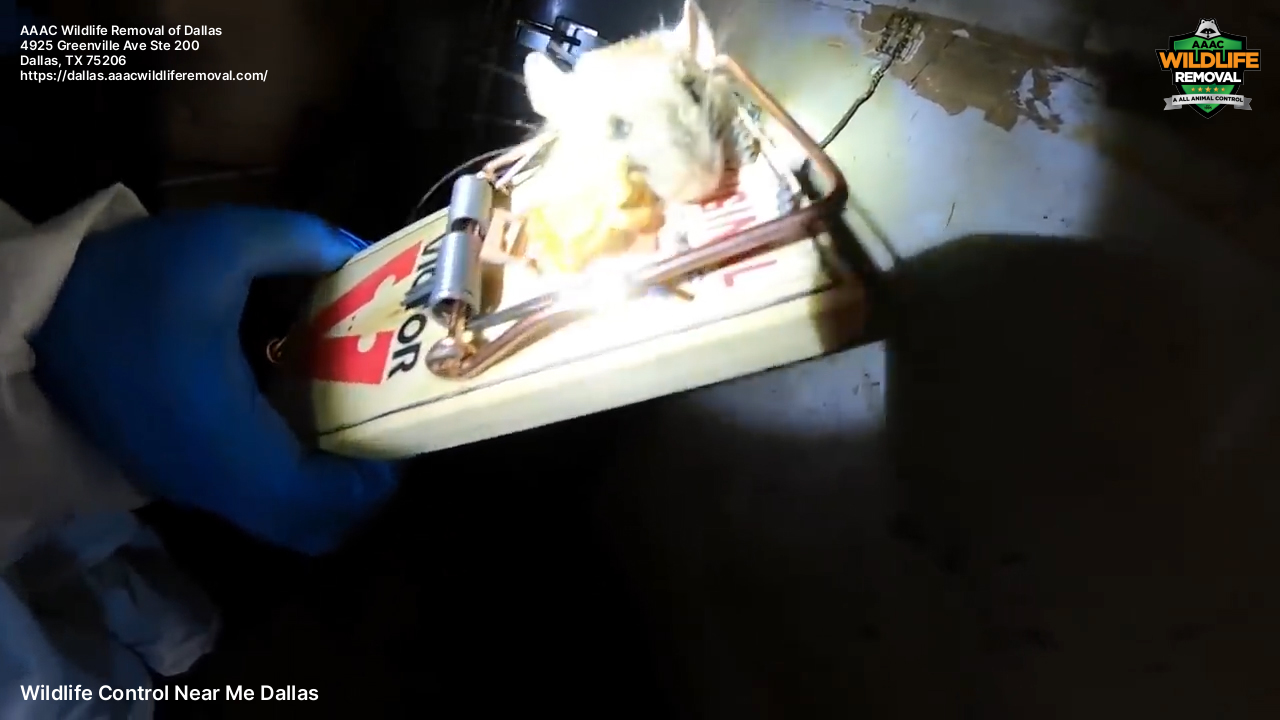
I once consulted on a strip mall where three tenants had rodent issues to varying degrees. The property manager wanted “a strong chemical program.” We installed an abatement plan instead: sealed the common wall penetrations with backer rod and polyurethane, re-hung two damaged weatherstrips, moved a dumpster ten feet farther from the rear doors, and set snap traps in protected stations. By the second service, activity plummeted. We used a few targeted bait placements outdoors, but the heavy lifting came from physical and procedural changes. That is abatement in practice.
The missing half: wildlife exclusion
Exclusion is the construction side of nuisance wildlife management. It treats a building like a ship that must be watertight. If air, scent, and warmth can leak out, animals can smell the invitation. If a raccoon can hook its claws under a loose drip edge, the metal becomes a handle. If a bat can fit under a warped ridge vent, it will use that route.
Wildlife exclusion service combines three ideas: find how animals get in, understand why those points are attractive, and modify the structure so those paths close without creating new ones. Quality exclusion is not foam stuffed into a hole, and it is not chicken wire tacked to a fascia. It is a suite of materials matched to the species’ capabilities, fastened to the substrate, and finished so the repair blends with the building. When done properly, exclusion reduces the future need for trapping by an order of magnitude.
Why the two disciplines must work together
Abatement handles current pressure, exclusion prevents recurring access. Most properties need both. Without abatement, animals persist on the exterior, pressure mounts, and eventually the workmanship gets tested. Without exclusion, every successful abatement resets a timer until the next population finds the same entry points. The dual approach turns a revolving door into a closed loop.
Consider the typical suburban attic in North Texas. Warm winters produce nearly year-round roof rat activity, plus seasonal raccoon denning. An operator focusing only on traps may catch half a dozen rats and one adult raccoon. Without exclusion, the soffit return gaps, lifted shingle edges, and gable vent screens remain. New animals move in, and the homeowner calls again. When we pair tight baiting and trapping with repairs to all sub-inch openings, fascia return hardening, and ridge vent screening, the phone stops ringing.
Reading the building like a map
Every property leaves clues. Water stains, rub marks, hair caught on flashing, mud tubes from insects, chew patterns, droppings with identifiable ends, even the way insulation is matted. Exterior paths often line up with landscaping features or roof geometry. The job begins with a methodical inspection that treats each facade as a separate story.
Windows and door assemblies are frequent culprits. The gap beneath a threshold might only measure a quarter inch, but that is enough for roaches and American cockroaches. A missing corner seal on a roll-up door invites mice and lizards. Utility penetrations behind bushes tend to hide dry foam that crumbles at a finger press. Gable vents often use insect screen, which squirrels chew. Tile roofs are beautiful but provide a grid of lift points that raccoons exploit, especially on the leeward side where wind has loosened fasteners.
In a Dallas duplex near White Rock Lake, we tracked squirrel traffic to a two-inch void under a dormer where the carpenter had left a gap between the sheathing and fascia. The animals polished the edge smooth. From the attic, daylight showed through, and pellet droppings collected along the top plate. We excluded the line with painted metal flashing bent to match the pitch, backed by stainless steel screen for bite resistance, and set live-catch traps on the exit path. Two days later the last juvenile walked into a trap, and the repair held through the next two seasons.
Species-specific tactics: not all teeth and claws are equal
Different animals require different tolerances, materials, and timing. Treat a raccoon like a mouse and it will peel your repair back like a lid. Treat bats like rodents and you risk protected species and legal trouble.
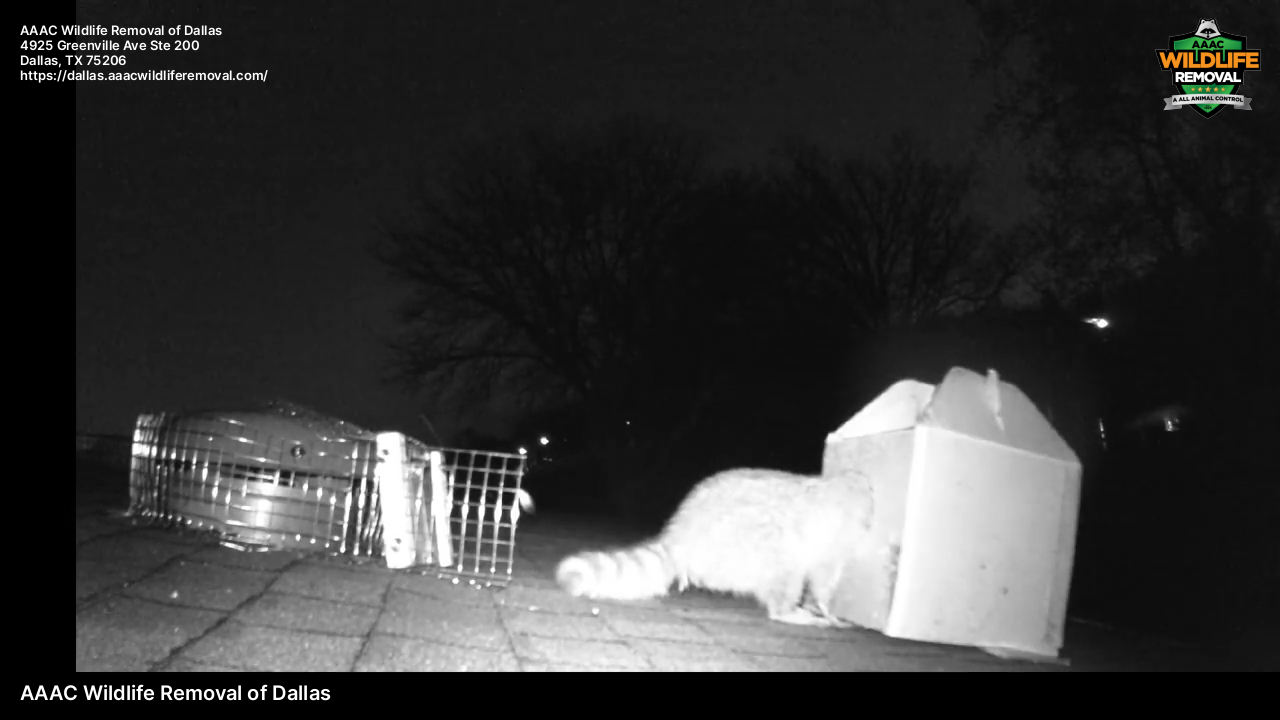
Raccoon removal centers on timing and leverage. In spring, females den with kits. Exclusion must account for non-ambulatory young. We start with a camera or thermal check, then a one-way door sized for the adult. Once she relocates the litter, we harden edges that offer purchase: drip edges, soffit returns, and rotten fascia. Materials should be corrosion-resistant metal fastened into framing, not just trim. I have seen raccoons tear through vinyl soffit with almost comical ease.
Squirrel removal demands attention to bite-through points and travel routes. Gray squirrels will test every corner seam and will chew through foam, plastic, and thin aluminum in a day. Hardware cloth is a stopgap, not a finish. We use steel mesh with a small aperture paired with coil stock that matches the roof color, crimped and screwed to framing members, not just the fascia skin. Traps belong on roof runs where the animals already travel, and bait rarely matters as much as placement.
Bat removal is a precision exercise. Bats are protected in many jurisdictions. In Texas, for example, bat colonies cannot be excluded during maternity season because pups cannot fly for several weeks. The solution is to schedule bat removal outside that window, identify every entry point larger than a dime, and install one-way exclusion tubes at primary exits. After flight nights confirm departure, we seal the building with flexible sealants and fine mesh. The margin for error is small, and the work must respect both law and ecology.
Rodent abatement overlays all of this. Roof rats tend to move along high lines and favor ivy, wires, and fence tops. Norway rats run low, tunneling under slab edges and living near trash and water. Mice leverage tiny gaps and often ride pallets, firewood, or stored goods. Each has patterns that dictate trap type, station placement, and how aggressively you must prune vegetation or adjust sanitation.
Materials that stand up to teeth, weather, and time
You can tell if a technician has lived with their work by the materials they carry. Cheap foam and flimsy mesh look good for a week. Repairs should survive UV, rain, and gnawing.
I prefer closed-cell backer rod paired with a high-quality polyurethane or hybrid sealant for seams that flex, like siding transitions. For larger openings, stainless or galvanized steel mesh with a mesh size under half an inch prevents rodent passage and resists squirrels. Where visible finishes matter, I back the mesh with painted aluminum coil stock. On roofs, I use purpose-made ridge vent baffles and pest-proof vent covers rather than home-built contraptions. On masonry, hydraulic cement outlasts expanding foam at slab penetrations. Fasteners should bite into structure, not trim. If a raccoon can pry a repair with one handhold, it will.
One note on foam. Expanding foam has a role as a backer and air seal, not a standalone barrier. Animals read foam as a suggestion, something to test with the first exploratory bite. Foam buried behind metal is fine; foam as the only line of defense is a written invitation.
Health and safety are not optional extras
People often call for wildlife removal service because of noise, fear, or damage, but the health side deserves equal attention. Raccoon latrines carry roundworm eggs that can remain viable for years. Bat guano can https://garrettemcv371.trexgame.net/bat-removal-laws-and-best-practices-stay-compliant-and-bat-safe harbor fungal spores. Rodent droppings and urine spread a range of pathogens, and airborne particles increase during cleanup.
Serious cleanup requires containment, negative air, and personal protective equipment. In attics, we often remove contaminated insulation, treat structural members with enzyme-based cleaners, and reinstall insulation to code R-values. On smooth surfaces, we use wet cleaning methods to avoid aerosolizing dust. This is not scare talk. It is respect for real risks that professionals manage routinely.
The rhythm of service: inspection, action, verification
Good nuisance wildlife management has a cadence. There is the initial assessment, the first round of abatement and exclusion, and the verification that tells you whether the plan worked.
First visit, you inspect top to bottom, photograph each gap, track, and conducive condition, and align expectations with the client. If there is active wildlife inside, trapping or one-way devices go in before or at the same time as sealing secondary holes. You never lock animals inside a structure.
Follow-up matters. Activity shifts as animals test repairs or as weather changes. A rainstorm can wash scent trails and alter travel routes. Heat waves drive animals toward cooler soffits and shaded vents. Two or three service calls spaced across two weeks catch most of these adjustments. Once activity ceases, the final seal and finish work closes the loop.
Urban context: wildlife control in Dallas
Wildlife control Dallas operators face a particular blend of species and building styles. Rapid growth means new construction abutting older homes, plus utility corridors and creeks that form green highways. Roof rats thrive on mature tree canopies that touch eaves. Squirrels are a constant. Raccoon pressure spikes near trash-rich corridors and water. Bats favor older buildings with generous expansion joints.
In multifamily buildings, shared attics and parapet designs create hidden pathways. Exclusion must be coordinated across units; otherwise you push animals down the row to a neighbor. I have worked with homeowners associations to harden entire roof lines, adjust trash storage, and coordinate seasonal bat exclusions to avoid maternity conflicts.
Commercial kitchens are their own universe. Any wildlife pest control service that treats a restaurant like a house is asking for a comeback visit. Kitchens run hot, humid, and full of food sources. Door discipline, floor drains, base cove integrity, and daily cleaning patterns all matter. For rodents, we often install a perimeter of lockable stations outdoors, traps at interior points of capture, and a tight seal program around conduits and wainscoting edges. For flying insects, sanitation and airflow changes reduce harborage where chemistry alone struggles.
Trapping with intention, not habit
A pest wildlife trapper does more than set steel. Trapping is communication. You are asking, where is the animal willing to commit its weight or curiosity? Squirrels step where they always run. Raccoons descend from the same roof corner. Bait selection helps, but location wins. In attics, I avoid traps on ductwork to protect HVAC and prevent noise transfers. On roofs, I anchor traps to prevent fall risks. On the ground, I avoid routes where children or pets can interact.
Ethics and law guide methods. Live-catch traps have a place, especially for target removal in complex structures. Kill traps, when legal and appropriate, can be more humane than poorly monitored live captures. Always check local regulations. Bats are not trapped; they are excluded with one-way devices and sealed out during legal windows.
The homeowner’s role: small habits, big impact
Professionals can harden a building, but occupants shape the pressure. Trash lids that don’t close, pet food on decks, bird feeders near the eaves, overgrown ivy on walls, and irrigation that puddles against slab edges all compound risk. A few simple changes reduce wildlife pressure dramatically and make exclusion repairs last.
Short list for better outcomes:
- Keep vegetation trimmed at least 3 feet from structures and 6 feet below rooflines. Store pet food indoors and feed pets in time-limited windows, not free-choice outdoors. Repair or replace weatherstripping that admits light, which usually equals a bug gap. Elevate and seal trash bins, and rinse liners that carry odor for days. Inspect after storms, when lifted shingles and soffits create new openings.
When to call a wildlife removal service
Some jobs are simple, like a mouse that entered through a garage weatherstrip. Many are not. If you hear daytime attic activity that suggests squirrels, see staining at a soffit corner that hints at raccoons, or notice guano under a roofline that points to bats, it is time to bring in a professional. A qualified wildlife trapper brings ladders, safety gear, species-specific knowledge, and materials you cannot buy at the big-box store. More importantly, they bring judgment about timing, particularly for raccoon removal and bat removal where young may be present.
The same logic applies to commercial sites. A manager may see one rat on a camera and assume a single culprit. A thorough inspection might reveal burrows along a fence line, rub marks on a PVC conduit, and a gap under a roll-up door wide enough for a palm. Coordinated pest abatement with a wildlife exclusion service saves budget over the quarter, not just the week.
Cost, value, and the long view
Clients often ask whether exclusion is worth the price compared to a few months of trapping. Repairs do cost more upfront. They also end the revenue loop of repeated service visits. Think of exclusion like roof flashing. You pay for good flashing once, and it protects your investment for years. Cheap or skipped flashing invites water that costs multiples later. Wildlife and pests behave the same way. If a repair stops even a single severe event, like a raccoon tearing ducts or a squirrel causing an electrical short, the savings are obvious.
Quality work leaves evidence in quiet, not in noise. Six months after a full seal on a Lake Highlands home, the homeowner called to say the only sound in the attic was rain. That is the sound you want.
Integrating abatement and exclusion into a single plan
The best programs schedule tasks in a logical order and keep documentation tight. We photograph each entry point, mark them on a simple diagram, and itemize materials and methods. During abatement, we track captures and bait takes, but we also track conditions: new rub marks, loosened shingles, droppings patterns. After exclusion, we schedule follow-ups to confirm silence. The client receives a packet with before and after images, materials used, warranties, and seasonal notes, such as bat maternity timelines or roof rat activity peaks.
For property managers, a calendarized approach helps. Budget for quarterly exterior inspections, prioritize repairs before cold snaps and before spring denning, and align landscape contractors with pest goals. Trimmers who scalp vines off walls prevent squirrel runways. Janitorial teams who close dumpster lids every night reduce rat pressure. The wildlife removal service remains on call for spikes, but the day-to-day pressure drops.
Edge cases and stubborn scenarios
Some structures fight back. Historic homes with balloon framing have voids that run from the crawlspace to the attic, creating invisible highways for pests. Metal buildings with overlapping panels flex in the heat, opening and closing gaps daily. Tile roofs hide nest sites and require careful lifting and replacement to avoid leaks. In these cases, the plan may include phased work, starting with the worst leak points, then addressing secondary gaps as activity shifts.
There are also behavioral outliers. I have met raccoons that learned to roll unsecured traps and squirrels that ignored every bait but chewed through a vent next to the set. Flexibility matters. Switch to a different trap style, change the angle of approach, or install protective cages over fragile components while you complete exclusion. The key is to avoid getting locked into a single tactic because it worked last month on a different house.
The role of documentation and communication
Clients do not live on roofs or crawl in soffits. Clear photos, simple diagrams, and straightforward explanations build trust. When you recommend replacing five feet of fascia return with coil-stocked metal and mesh backing, show the chew marks and the gap. When you schedule bat work for a later month, explain the maternity season and what to expect in the interim. Call when animals stop triggering traps, even if nothing else changed. Small communications prevent large misunderstandings.
On multi-trade projects, coordinate with roofers, electricians, and HVAC technicians. I have seen beautiful exclusion undone by a cable installer who drilled a new hole and left it raw. Label penetrations where possible, note “sealed by wildlife service,” and ask other trades to call before cutting. Collaboration beats rework.
A final word on responsibility
Pest control and nuisance wildlife management sit at the intersection of public health, building science, and urban ecology. We remove animals when necessary, but we also respect that most wildlife is responding to the habitat we create. Our job is to make homes and businesses less attractive to pests by design, not just by force. When pest abatement and wildlife exclusion work together, properties stay quiet longer, chemicals remain a tool rather than a crutch, and animals stay outside where they belong.
If you are dealing with recurring activity, ask your provider whether they can integrate pest abatement with a full wildlife exclusion service. If you are choosing a provider, look for a wildlife removal service that photographs everything, explains species behavior, and talks as much about vents, soffits, and door gaps as they do about traps and bait. The goal is not just to solve a problem this week. The goal is to build a property that resists the next season’s pressure, then the one after that.
That is how you break the cycle and earn the quiet you paid for.