Homeowners rarely forget the first night a raccoon finds its way into the attic. The scratching starts after midnight, the dog goes on alert, and sleep evaporates. The first instinct is to call a wildlife trapper and get the animal out. That solves the immediate problem. It does not solve the reason the raccoon was able to enter in the first place. Wildlife exclusion services exist to close those gaps, literally and strategically, so you do not relive the same disruption in a month, a season, or next spring when another litter is on the way.
Nuisance wildlife management requires a different mindset than traditional pest control. You are not treating a chemical-sensitive insect population. You are up against opportunists with strong jaws, nimble hands, and a memory for easy food. Long-term results come from pairing humane removal with durable building repairs and habitat changes that remove the incentive to return.
What exclusion really means
Exclusion is the practice of keeping animals out, not https://andreayog786.lowescouponn.com/diy-vs-professional-wildlife-control-pros-and-cons chasing them away after they move in. In practical terms, wildlife exclusion services involve a methodical survey of your structure and property, then sealing access points with materials that match the species and your building. The best wildlife removal services combine three steps in a tight loop: inspection, removal, and proofing. Miss one and you invite repeat visits.
A typical home has more opportunities for entry than most owners imagine. Rooflines meet in complicated ways. Builders leave gaps beneath the drip edge. Masons omit a brick or leave a weep hole too wide. Utility penetrations get caulked once, then shrink with heat cycles. Squirrels and rats only need an opening the size of a quarter. Bats need less. If you own a pier-and-beam house, your crawlspace vents and door are high-value targets for skunks and opossums. Exclusion work finds and fixes all of it.
Why “remove and hope” fails
A story from a brick Tudor I worked on illustrates the point. The homeowner had hired a wildlife trapper twice in the previous year for squirrels. Each time the traps caught two or three, the noises quieted, and a month later the racket returned. During inspection, we found a construction gap along the fascia, roughly 1 inch wide and 36 inches long. You could not see it from the lawn, but from the roofline it was obvious. Those squirrels did not need a map, just the scent of a path that worked before. We set one-way doors, waited three days, then installed a continuous metal drip-edge and sealed the soffit. Problem solved. Trapping without proofing had cost the homeowner more than the permanent fix.
Short-term removals can even make problems worse. If you remove adult raccoons during kit season, you may leave kits inside a wall cavity. Their cries draw the mother back or lead her to tear a new hole. Professional wildlife control techs schedule removal around breeding cycles and use thermal or borescopes to avoid orphaning animals, then they exclude once the space is truly empty.
The inspection that sets the stage
Good exclusion starts with a slow walk and a ladder. I budget at least 60 to 90 minutes for a typical single-family home. The point is not to count holes, it is to tell the story of how wildlife interacts with your building and yard. I look for chew marks at soffits, rub marks near entry points, guano patterns under gable vents, greasy staining around roof intersections, and seed shell pileups under eaves that suggest frequent squirrel feeding perches. On the ground, I map trails in mulch, flattened grass near crawlspace vents, and torn insulation around AC lines.
By the end, I want a map: all current and potential entry points, identified by species risk. Bats leave different evidence than Norway rats. Raccoons often bend flimsy gable vents outward, leaving telltale hair. Squirrels tend to chew through corners of dormers where wood meets aluminum. Mice like sill plates and garage door seals. Each clue tells you which materials and methods will hold up.
Materials that last rather than just look good
The integrity of an exclusion job lives or dies on materials. I have a short list of components that have withstood years of weather and teeth. Anything with vinyl in the name is suspect. So are flimsy screens that deform at the first sign of a raccoon’s determined paw.
- Stainless steel hardware cloth in 16 to 18 gauge with 0.5 inch mesh for vents, attic fan housings, and crawlspace openings. Galvanized can work inland, but salt air corrodes it faster than expected. Galvanized expand mesh or pre-formed metal flashing for sealing ridge-to-wall gaps, fascia returns, and complex roof intersections. The pre-formed options save labor on steep pitch roofs. High-quality polyurethane or hybrid polymer sealants for small gaps around utilities. Acrylic-latex or painter’s caulk fails under UV within a year. Pure silicone sticks well to glass and tile, but it bonds poorly to many masonry substrates and is difficult to paint. Pest-rated door sweeps and brush seals for garage doors and exterior doors. Standard rubber sweeps compress and crack, which invites mice and roaches. Raccoon-resistant gable vents and chimney caps with welded seams and rigid framing. Cheap caps wobble in wind and rattle loose in a season.
The logic behind these choices is simple physics. Rodents can chew through plastic and soft metals. Raccoons pry with leverage. Bats exploit airflow paths and the innately flexible edges of screen. Your materials must resist chewing, prying, and UV degradation while still allowing proper ventilation. Poorly chosen mesh can choke airflow, causing condensation in attics. The goal is not a fortress, it is a weather-tight, breathable shell that respects building science.
Sequencing matters more than most people think
The order of operations reduces callbacks. First, you remove the active wildlife or use one-way devices so residents exit safely. Second, you seal everything except the primary exits and the one-way points. Third, after enough quiet time to confirm vacancy, you remove the one-way devices and hard seal those last openings. Finally, you sanitize and reinsulate if contamination warrants it.
Skipping sanitation can undercut success. Urine and pheromone residues draw the next wave. In attics with raccoon latrines, we often remove and replace 6 to 10 linear feet of contaminated insulation around the latrine site and use an enzymatic cleaner on the decking. With bats, the guano can compact beneath insulation and hold moisture against roof sheathing, which leads to rot. Proper cleanup supports lasting wildlife pest control and protects the building envelope.
Timing jobs around the seasons
I plan exclusion differently in January than I do in May. Breeding windows matter. Most temperate-region squirrels have two peak breeding periods, late winter and late summer. Bats form maternity colonies in spring and stay through late summer. Raccoons den in early spring for kits. Skunks typically den in late winter. If I suspect pups or kits, one-way doors are timed for when juveniles are mobile. Many regions have regulations that limit bat exclusion during maternity season, both for humane reasons and to comply with wildlife law. A seasoned provider in nuisance wildlife management knows those calendars and explains the timing to clients so expectations and outcomes align.
Weather drives decisions too. Sealants cure slowly in cold, and some adhesives will not bond in damp conditions. Larger roofline projects, like installing a continuous fascia seal or replacing compromised soffit sections, are best scheduled on dry days with mild temperatures. Rushed work on a wet roof often becomes the repair you do twice.
The role of habitat in attracting or repelling wildlife
Even perfect exclusion struggles against a yard that feeds and shelters wildlife. I do not tell clients to strip their landscaping, but I do point out attractants. A bird feeder within 10 feet of the house is a squirrel starter kit. Fruit trees that drop produce feed skunks and opossums. Gaps under sheds invite ground-nesting. Open compost piles are a buffet for rats. Pet food bowls on porches draw raccoons like magnets.
Small changes pay dividends. Move bird feeders to a freestanding pole with a baffle and keep them 15 feet from structures. Skirt the base of sheds and decks with buried hardware cloth to a depth of 8 to 12 inches. Use tight-lidded cans for feed and trash, and rinse the bins periodically so they do not perfume the driveway. Keep gutters cleared. Overflowing gutters saturate fascia boards, softening wood until a squirrel’s incisors find an easy chew point.
Real-world species profiles and what holds up against each
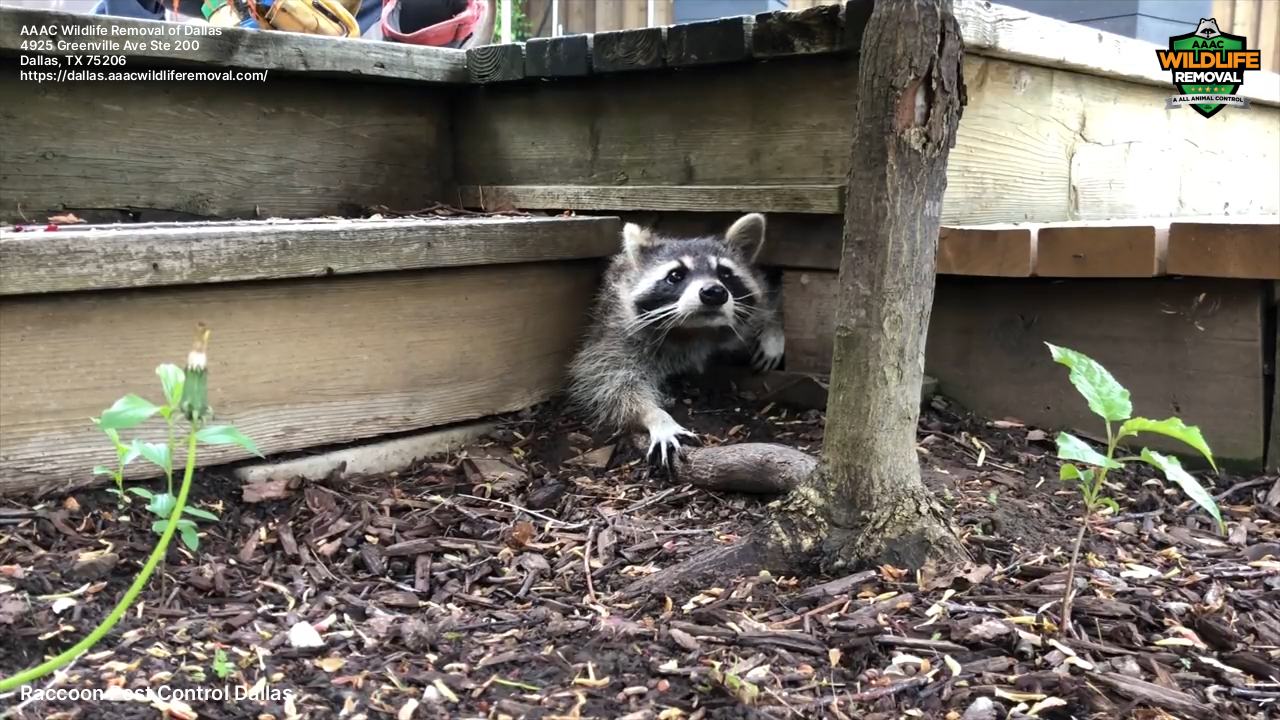
Raccoons: Strong, curious, and dexterous. They pry more than chew. I favor rigid, framed barriers at attic fans, gable vents, and chimney flues. Any screen installed with staples alone is a raccoon invitation. Secure with screws and washers into structural members, not just trim.
Squirrels: Persistent chewers. They target softwood edges and areas with previous patchwork. Metal edge protection along roof returns and drip edges is worth the cost. If I see repeated squirrel pressure on a dormer corner, I use pre-bent metal corner guards under the shingles and down the fascia return.
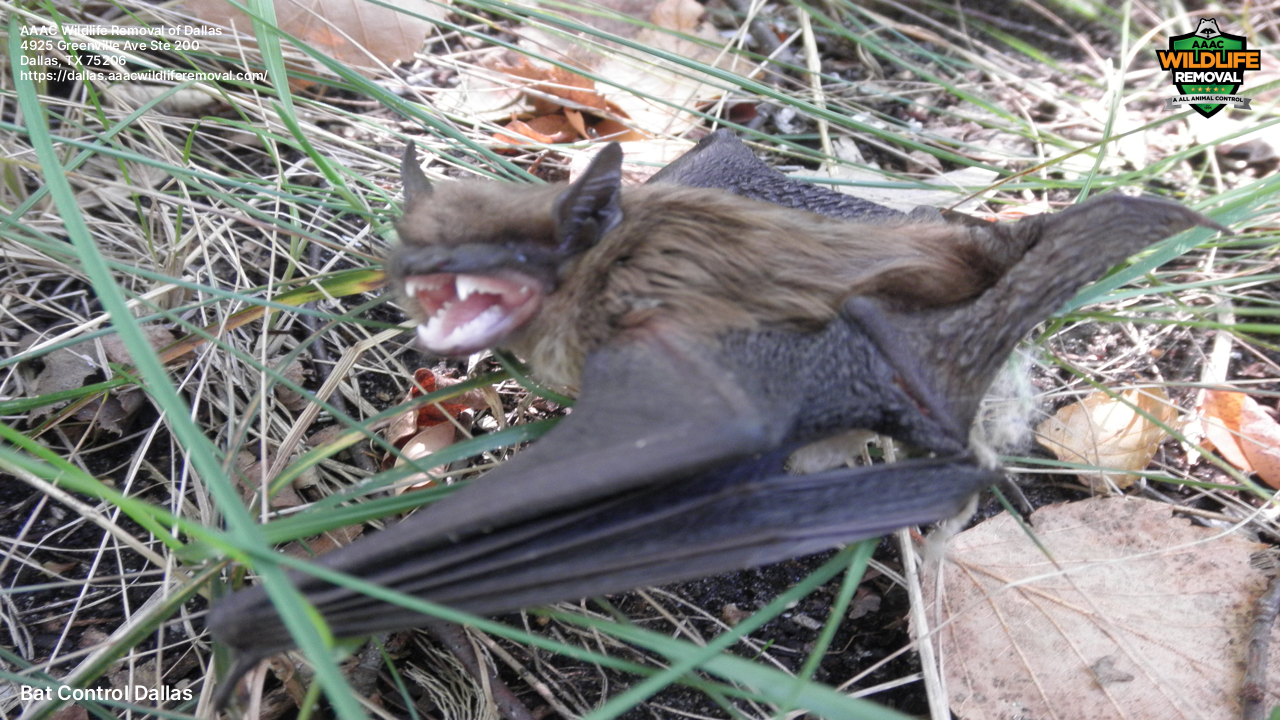
Bats: Masters of micro-gaps. A 3/8 inch space along a ridge or between brick and soffit trim may be enough. The best fix is a continuous bat exclusion seal with one-way valves sized to the colony’s traffic patterns, installed outside maternity season. After full vacate, seal the linear gap with a flexible, UV-stable sealant backed by foam rod, then add a metal reglet if the gap runs along masonry.
Skunks and opossums: Ground-level strategists. Screen skirts buried around decks and porches stop dens. Doors to crawlspaces should have solid frames and raccoon-rated hasps, not flimsy slide latches. On homes with chronic skunk visits, a small gravel border away from the foundation helps discourage digging.
Rats and mice: Masters of margins. Door sweeps, garage seals, and utility penetrations around gas and AC lines are the triad. Steel wool is a temporary measure at best. Use proper metal or escutcheon plates and sealant. In older homes, replace gnawed sill foam with a metal-backed flashing detail.
Birds: Pigeons and starlings prefer predictable roosts and ledges. Ledge angle adjustments and discreet tensioned wire systems outlast spikes in many cases. If spikes are used, install them densely and rigidly. Loose spikes become nesting material.
How pest control and wildlife control complement each other
People often hire a pest control company for rodents and a separate provider for larger mammals, and those lines blur inside attics and crawlspaces. The principle care is the same: your structure must be made less permeable. Yet the methods differ. Rodent control may involve traps and bait stations. Wildlife removal services for protected species or larger mammals rely on live traps, one-way doors, and timed exclusion. The two disciplines share a common endpoint, durable sealing, but they use different tools and regulations along the way.
Coordination matters. A baiting program around a house with open soffit gaps encourages rats to wander, including into living spaces. Pair baiting with rapid sealing of upper-level openings so you contain activity where you can control it. Conversely, beginning exclusion without addressing a heavy exterior rat population may push animals into new openings they can create. An experienced wildlife control provider anticipates these interactions and sequences tasks so the building becomes less attractive week by week, not more chaotic day by day.
Measuring success beyond “I don’t hear noises”
The visible measure of success is obvious: no scratching at 2 a.m., no droppings by the water heater, no chewing on the fascia. Long-term success adds quieter metrics. I like to leave clients with a short maintenance plan and a calendar: a roofline glance every spring and fall, gutter cleaning on schedule, a reminder to check door sweeps and garage seals before cold weather, and a mid-summer look at vent screens after storms.
For larger projects, especially bat work, I schedule a dusk watch with the homeowner 7 to 10 days after the one-way devices are removed. If we see no emergence and no new stains at sealed gaps, the job is holding. For raccoon-heavy neighborhoods, I advise a trail camera on the most active side of the home for two weeks post-exclusion. The footage often shows animals inspecting, then leaving, which reassures everyone and catches any pry attempts early.
Warranty, guarantees, and the fine print that actually matters
Many companies offer a one to three-year warranty on exclusion work. The value of that warranty depends on what it covers and, just as important, what it does not. A strong warranty covers materials and labor for re-entry of the same species through previously sealed points. It should also cover new pressure on adjacent spots where the original plan included reinforcement. It typically does not cover damage from new construction by third parties, storm damage, or wood rot that develops after the fact. When I write a warranty, I include a simple clause for annual inspection at a modest fee, which extends the warranty term. That structure aligns incentives: the client keeps maintenance on schedule, and I keep eyes on the property to catch small issues before they become big ones.
Costs, trade-offs, and when to phase work
Budgets vary, and so do houses. A thorough exclusion with attic sanitation and insulation replacement can run into the thousands. Homeowners in older houses sometimes prefer to phase work. That can be smart if you prioritize correctly. Start with the most active entry points and the areas with the highest risk of water intrusion or structural weakness. A temporary one-way door on a minor vent while you schedule major fascia repair is reasonable. Delaying a chimney cap in a raccoon-prone area is not.
Be wary of bargain quotes that lean on foam and caulk for everything. Spray foam has its place as a backer in protected locations, but exposed foam is a chew toy and UV sponge. Shortcuts often cost double when you pay to remove failed materials before installing proper ones. A good wildlife exclusion services provider explains why each line item exists and how it prevents re-entry. If they cannot, keep looking.
Safety, access, and working over finished spaces
Exclusion often means ladders, steep slopes, and power lines nearby. I will not walk certain roof pitches without tie-off points or fall arrest. Homeowners sometimes ask to do a quick self-fix with a staple gun. I understand the urge, but I have seen too many ankle-twisting mishaps and leaky patch jobs. If you want to DIY part of the work, focus on ground-level prep: secure trash lids, tidy yards, and add door sweeps while you wait for the pro team. Leave high work, electrical penetrations, and any hole near a chimney to trained technicians with the right gear.
Working above finished spaces adds complexity. If I am installing a ridge-to-wall flashing reinforcement above a vaulted living room, I plan material staging and drip control as if it will rain mid-job. Tearing open an attic to remove guano above a nursery calls for containment, negative air, and HEPA filtration, not just a shop vac and a mask. Proper safety and hygiene protect both the structure and the people inside.
When exclusion interacts with building science
Sealing every gap without regard for airflow can backfire. Attics need intake and exhaust. Crawlspaces need controlled ventilation or a proper encapsulation plan. If you cover a gable vent with a dense screen and forget to maintain intake at the soffit, you may trap moisture and elevate summer attic temperatures, which shortens roof life. Before adding any barrier, I verify the net free area of ventilation and match it after installing wildlife-proof screens. In some cases, the solution is to replace decorative gable vents with louvered, screened units rated for wildlife pressure and then add a ridge vent that includes metal pest baffles.
Chimney caps must preserve draft. A cap that looks sturdy but throttles airflow creates smoke roll-back and soot issues. Professionals choose caps tested for the flue type and fireplace or appliance load. The same care applies to high-efficiency furnace and water heater exhausts, which often exit near grade. These pipes are rat magnets. We fit them with manufacturer-approved guards rather than improvising, to avoid backpressure and code violations.
Practical, low-effort habits that keep exclusion effective
- Walk the perimeter after major storms to spot lifted flashing, dislodged vent screens, or fresh chew marks. Five minutes saves a service call. Keep tree limbs trimmed back 8 to 10 feet from the roof where possible. Squirrels can clear gaps, but distance reduces casual traffic and damage from whipping branches. Store firewood off the ground and away from walls. Rats and snakes love the voids, and raccoons use stacked wood as a step ladder. Replace worn weatherstripping promptly. A 0.25 inch gap under a door is a welcome mat for mice. Clean grill grease trays and drip pans after use. The smell carries farther than most people realize, especially on warm, still nights.
These habits do not replace exclusion. They complement it by removing incentives for wildlife to test your defenses.
How to choose the right provider
Not all wildlife removal services operate with the same standards. Ask candidates about species experience and building repair capabilities. If a company only traps and does not offer full wildlife exclusion services, you will likely pay twice. Look for proof of licensing where required, insurance that covers roof work, and training certifications from recognized bodies. Ask to see sample photos of past projects that resemble your home’s architecture. The technician who inspects your property should be the same person, or part of the same crew, who completes the work, or at least should brief the installers thoroughly. Consistency matters.
A good provider explains trade-offs. For example, if your gable vents are decorative and undersized for proper ventilation, they should say so and propose a combined wildlife-proofing and ventilation upgrade, not simply cover the vents and leave attic airflow inadequate. They will also walk you through why certain materials cost more and how long they typically last in your climate.
What success looks like two years later
Two years after a well-executed exclusion, your roofline edges still look crisp, the gable screens sit flush, and the garage door seals close the daylit sliver at the corners. You do not hear scrabbling at night, and your attic smells like wood and dust, not musk. A quick check with a flashlight reveals no fresh droppings on the top plate and no compressed runs through the insulation. The one or two times a raccoon came to inspect the new chimney cap, it left without incident. Maintenance has been light: one vent re-screwed after a windstorm and a fresh bead of sealant at a cable entry. That is the outcome a thorough nuisance wildlife management plan targets.
Wildlife is part of a healthy landscape. The goal is not to sterilize your yard. It is to draw a clear boundary between outdoors and indoors, and to make that boundary reliable. When removal and repair work hand in hand, when materials are matched to species and climate, when ventilation and hygiene are respected, long-term results stop being a promise and start being your normal.